













13 min
Features of the Winter Route Tbilisi – Gudauri (Military-Georgian Road)
The route from Tbilisi to Gudauri runs along the famous Military-Georgian Road via the Cross Pass. This highway climbs high into the mountains – the elevation change is about 1,800 meters. The road is a mountain serpentine: many turns and stretches without guardrails, requiring careful attention. In winter, the surface may be snowy or icy. Although the highway is regularly cleared among the first, driving can still be challenging.
During peak season (December – March), traffic increases: tourists heading to the resort and trucks traveling to the border share the road. Allow extra travel time – the usual ~2–2.5 hours from Tbilisi can increase to 3–4 hours under winter conditions. In extreme cases (avalanches, closures), the journey can take 6–8 hours. Plan your departure with a time buffer and note that after heavy snowfall, the pass may be temporarily closed due to snow or wind. Information on road restrictions is usually available in news reports and Ministry of Emergency Situations updates.
Preparing Your Car for Winter Roads
Before heading into the mountains, make sure your vehicle is fully prepared for winter conditions.
Tires: good tires are essential on steep road sections. From December, winter tires (snowflake-marked, tread ≥3 mm) are mandatory on the Mleta – Kobi section of the Military-Georgian Road. Check that your car is equipped with winter tires; if not, request a tire change from the rental company. When renting a car from us, you can be sure the vehicle comes with winter tires. We prepare our cars for the season and mountain conditions in advance.
Snow Chains are also recommended – some challenging sections in severe ice conditions are passable only with chains (police may stop you and require chains during worsening weather).
Brakes: descending from the pass requires fully functional brakes. Check the brake fluid level and braking efficiency, and if in doubt, ask the rental service to inspect them.
Fuel: always start with a full tank. Your rental car is provided with fuel, but make sure it is actually full and refuel in Tbilisi before the ascent. Gas stations beyond the capital are sparse – around Gudauri and Stepantsminda, fueling options are limited, so it’s best to have enough fuel for the round trip.
Windshield washer fluid: fill with antifreeze fluid and check wiper functionality. Mountain roads are often covered with snow and de-icing chemicals, which can dirty the windshield – a supply of washer fluid is essential for safe visibility. Also, ensure your windshield and mirror heaters are working – temperatures at night drop sharply, and ice forms quickly.
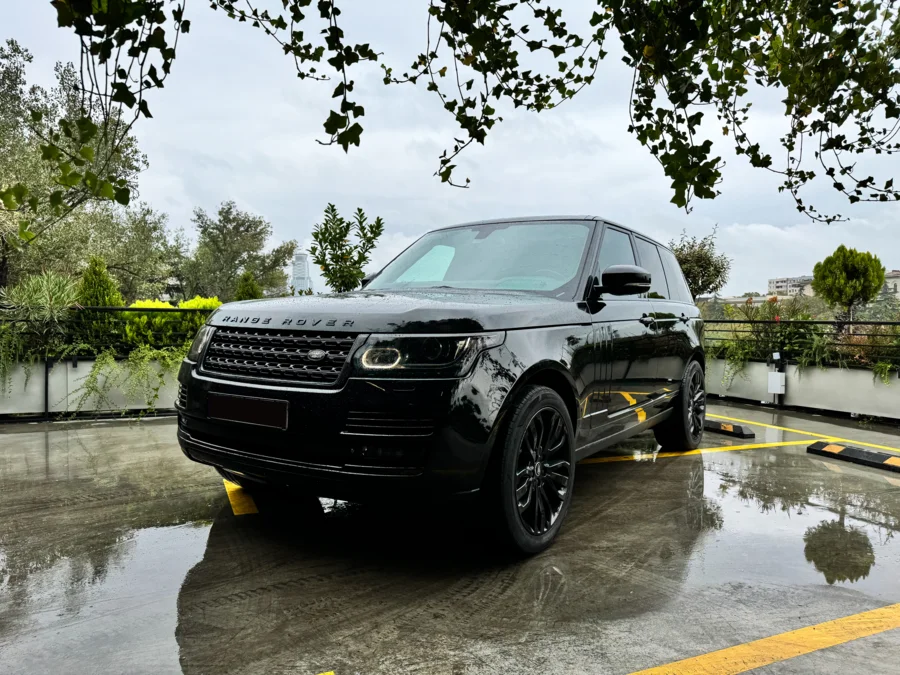
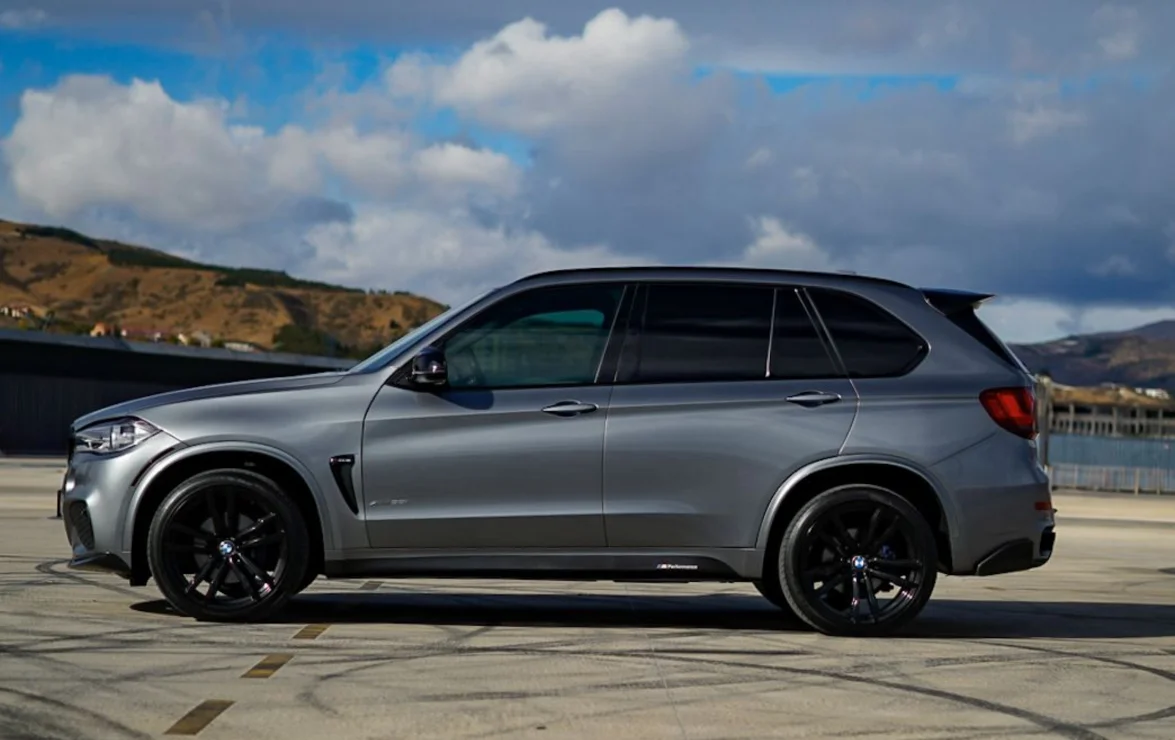
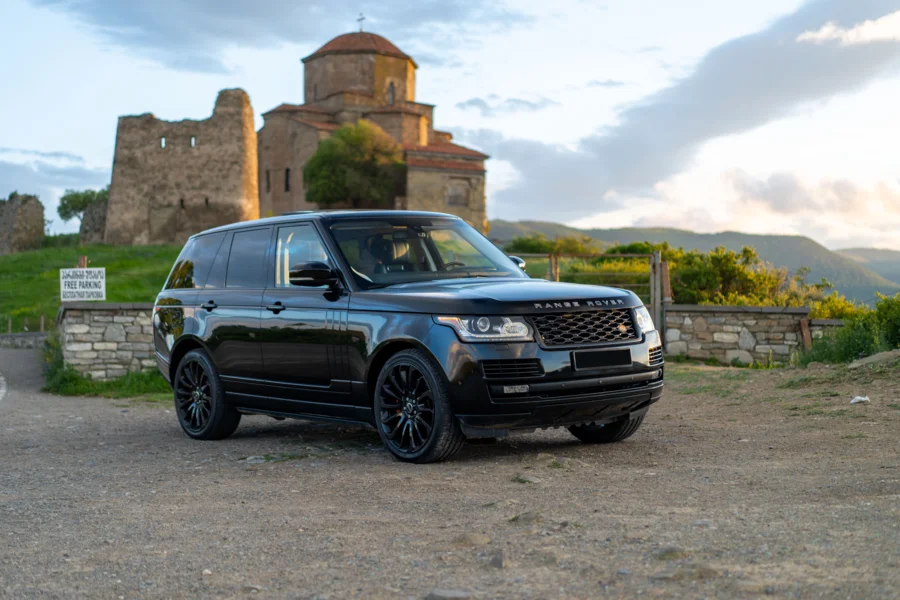
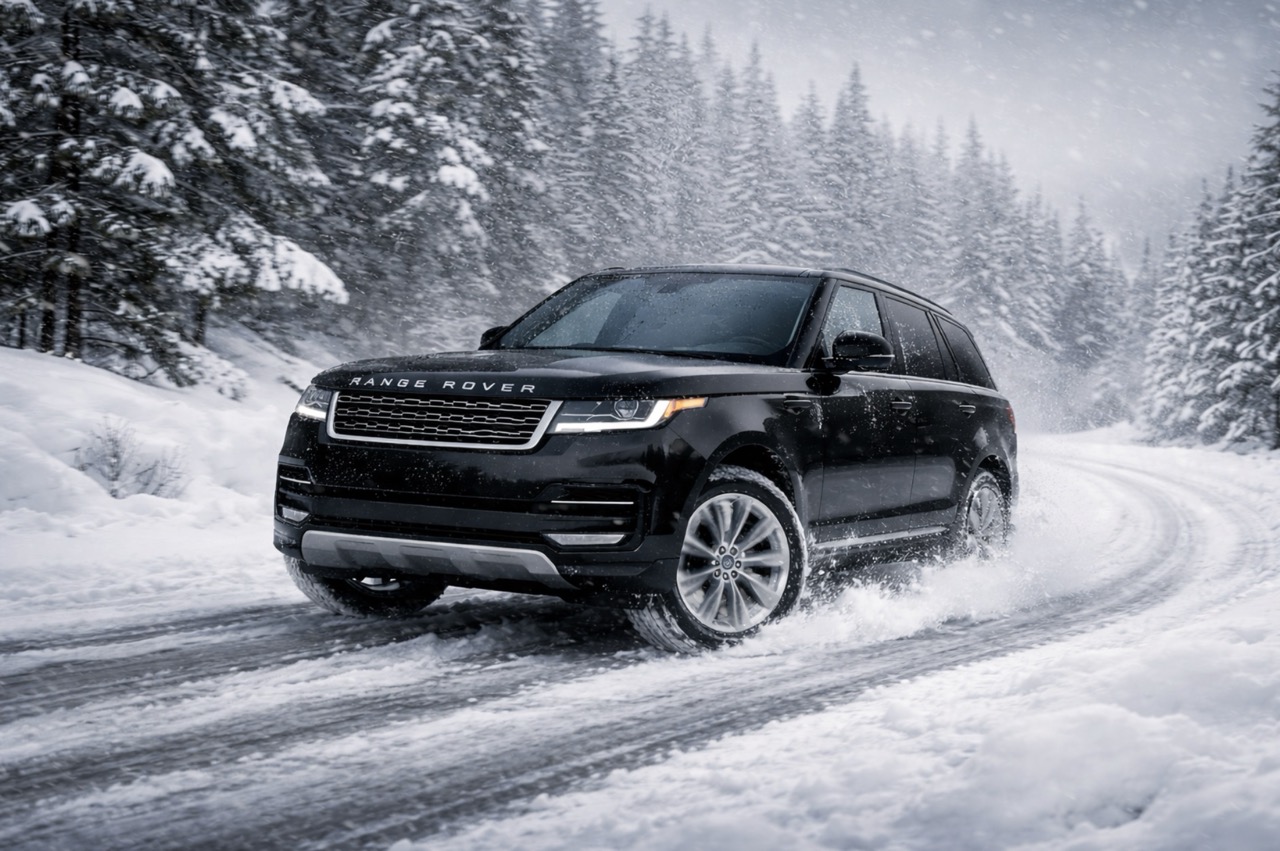
Tip: if possible, choose a higher-class vehicle for winter travel. All-wheel drive or a crossover provides more confidence on the pass. Even on cleared asphalt, a powerful SUV is more stable on climbs and descents. For a standard sedan, pay close attention to road conditions and speed – on steep serpentine roads, especially in snowfall, high ground clearance and all-wheel drive make driving significantly easier.
Additional Options: When and Why to Request
Rental cars come with insurance and basic amenities, but a range of additional options can make your winter trip more comfortable and safer. All necessary accessories are available from the rental company – you just need to request them during booking or in advance. Here are key options and their benefits:
- Snow Chains: the main winter option for mountain roads. Request chains mandatory if planning to climb the pass after heavy snowfall or in icy conditions. Even with winter tires, chains provide extra traction on particularly steep or icy stretches. In Georgia, chains are often required on challenging winter road sections, and rentals usually provide them on request. Better to have them and not need them than to face a slippery section without chains.
- Ski Rack / Thule Box: if you are going skiing, indicate the need for a roof ski rack or cargo box when booking. This allows you to store skis, snowboards, or bulky winter gear safely. Otherwise, you may have to cram equipment inside the cabin, which is inconvenient and potentially unsafe. A dedicated ski and snowboard rack or branded box (e.g., Thule) secures your equipment and keeps passenger space free.
- Wi-Fi Router: useful for those needing constant connectivity or remote work on the road. Mobile Wi-Fi allows passengers to use the internet and the driver to access weather updates, traffic, and pass status online. Mountain connectivity can be spotty, so a router with a local SIM card (usually offered by the rental) ensures internet on the move. If planning to work or share navigation with your group, request a Wi-Fi modem in advance.
- Child Seats: required for families with children. Georgian law requires children under 12 to ride only in the back seat, and infants under ~3 years in a special restraint. Even if some flexibility exists, child safety comes first. Rental companies provide seats for a small fee – indicate children’s ages during booking. Check the seat’s attachment before departure.
- Additional Driver: long mountain drives in snow are demanding. If traveling with a companion, add a second driver option. This allows shifts at the wheel and prevents fatigue. Especially useful for less experienced winter drivers – responsibilities can be shared, giving each a rest. Legally, only drivers listed in the contract may operate the car, so add the second driver in advance (usually a small additional fee).
Note that some additional options incur extra charges, so confirm availability in advance. Plan which options you need and include them in the booking – this ensures your car is prepared accordingly and saves time at pickup.
Winter Driving in the Mountains
As you approach the ski resort, road conditions can deteriorate rapidly. Here are practical tips for winter driving:
Speed: drive slowly and smoothly on snow and ice. Sudden acceleration or braking is dangerous – the car may skid. Recommended not to exceed ~80 km/h even on cleared sections. On steep serpentine curves, speed should be lower. Remember: it’s better to spend an extra hour than risk an accident – any mistake in these conditions can have serious consequences.
Distance: maintain a following distance several times greater than usual. Braking distance increases dramatically on slippery roads. Experienced drivers recommend up to 10 times the normal distance in winter. Practically, keep a 5–6 second interval behind the vehicle ahead. This buffer gives time to react if someone skids or brakes suddenly.
Braking: use engine braking on descents and icy stretches. Shift to a lower gear early, so the car slows without hard brake application. For automatic transmission, use manual mode (e.g., 2nd or 3rd gear, or “L” – Low). Driving in third gear during snowfall is optimal: the car starts smoothly and brakes effectively using the engine. Use the brake pedal gently with short presses. If equipped with ABS, press firmly and do not release during emergency braking – pulsation is normal. Stay calm: electronic systems help you stop safely on slippery surfaces.
Turns and maneuvers: when entering a turn on snow, lift off the accelerator and negotiate the curve in a lower gear without sharp steering. Avoid overtaking on serpentine roads – shoulders may hide ice or snowbanks. Remember: overtaking on icy roads is a last resort. Better to follow slower traffic than risk losing control. If the car begins to skid (rear end slides), do not brake – steer gently into the skid and ease off the accelerator to regain control.
Challenging sections: be extra cautious on bridges, shaded areas, and after tunnels. Bridges and overpasses freeze first; cross slowly and avoid lane changes. Ice often forms after tunnels due to temperature differences. Approaching the pass, galleries (avalanche protection tunnels) may leave the road snow-covered immediately after exit. Keep a firm grip on the steering wheel as gusts or snow drifts can push the car off course.
Time of Day and Weather Considerations
Time of day: plan your ascent to Gudauri during daylight. Night driving in the mountains involves multiple risks: almost zero visibility in snowfall or fog, wildlife crossing the road, and sharp temperature drops causing ice. Daylight offers better conditions: sun (if present) melts snow slightly, snowplows clear the road, and main icy sections are treated with de-icing agents. Also, daytime driving allows visual assessment of road conditions and enjoyment of the mountain scenery. Avoid night travel through the pass unless absolutely necessary. If delayed, it’s better to overnight at lower elevation and depart at sunrise.
Weather: check the forecast before departure. Mountain weather changes quickly – sunny one moment, stormy the next. Snowfall: exercise extra caution or postpone travel during heavy snow. Georgian road crews typically clear roads within hours after a storm. If unusually heavy snow (>1 m at once) falls, roads may not be cleared immediately. Historically, snowdrifts and avalanches near Mleta have made the road to Gudauri impassable for several days. Fog: common at the pass. Use fog lights (if available) or low beams, reduce speed, and follow road markings or tunnel walls for guidance. Avoid high beams – they reduce visibility in fog. Blizzards and strong winds: open sections (Cross Pass, before Kobi) can experience hurricane-force gusts. Winds may push vehicles off course and form snow drifts. If a blizzard starts, wait in a safe spot (gas station, police post, or roadside café) rather than risk driving.
Pass closures: be prepared for authorities to close the Cross Pass during extreme weather for safety or clearing. This can happen after heavy snow, avalanche threats, or immediately after an avalanche – clearing takes time. During closures, access to Gudauri from any side is blocked by police checkpoints. Predicting closures in advance is difficult – it depends on weather. Monitor updates: road status can be checked via news sites, tourist hotlines, or your rental company. Tourist hotline in Georgia: 1441 (support in Russian, English, and Georgian).
If you are already en route and learn the pass is closed, do not continue ascending. Stop at the nearest settlement until conditions improve. For example, wait in villages lower on the slope (Pasanauri, Ananuri) or return to Mtskheta/Tbilisi with hotels available. Restrictions usually last 1–2 days, rarely over a week. Keep a thermos with hot tea, water, and snacks in case you are stuck or waiting. A warm blanket or extra clothing is also useful – mountain temperatures in winter can drop to -15…-20°C, and a parked car gets cold quickly.
Emergency Actions
We hope your journey goes smoothly, but in the mountains, be prepared for unexpected situations. Good news: renting from a reliable company provides 24/7 road support. If your car breaks down, gets stuck, or there is an incident – contact the rental support service immediately. Most Georgian rental companies offer 24/7 roadside assistance: staff promptly consult and dispatch help. Add the support number from your rental contract to your phone and keep it charged during the trip.
For serious incidents (accidents with injuries, major breakdowns at night, etc.) – call the emergency number 112. In Georgia, 112 is available 24/7 from mobile or landline, connecting to fire, ambulance, or police as needed. Clearly explain the situation and your location (milestone numbers on the Military-Georgian Road or the nearest village).
Useful contacts to have: 112 (emergency), rental company support number, backup contact for the rental office or manager, and your insurance company if you have extended coverage. Many rentals provide basic insurance, but Super CASCO (full coverage) is usually an extra option. Confirm your coverage and procedures for accidents – whether to wait for police. Normally, rental support staff guide all steps and may assist with translation when communicating with local authorities.
If your car is stuck in snow on the approach (e.g., shoulder or uncleared parking), do not try to force it out – you may dig in deeper. Instead, call our support; we can dispatch assistance or guide you to the nearest tractor or jeep that can pull the car out. In Gudauri and nearby, locals can help for a fee, but coordinate through the rental company first. Remember, your rental includes roadside assistance, so use it.
Alternative Plan in Bad Weather
Sometimes the best decision is not to drive if the road is dangerous. During heavy snow or pass closure notifications, it is wise to adjust plans. Alternative routes are limited (the only way to Gudauri is via Cross Pass), so the main option is postpone the trip until conditions improve. If already leaving Tbilisi and facing problems on the pass, consider:
- Overnight stop along the way. Instead of risking the road, find a hotel or guesthouse nearby. For example, Pasanauri (about 70 km from Tbilisi) has several accommodations; options exist in Gudauri or lower along the road. Overnight and depart in the morning – roads may be cleared overnight, and conditions improve.
- Return to a safe zone. If you’ve climbed high and face a blizzard or traffic jam ahead, it may be better to descend to lower altitudes (where there is no snow) and wait. Descend, for instance, to Ananuri or near the Jinvali Reservoir – lower, warmer, with cafes and gas stations. Wait until authorities confirm the road is open.
- Change your travel route. In extreme cases, if the forecast is unfavorable for the next days, consider alternative destinations. Georgia has other ski resorts (Bakuriani, Goderdzi), or you can explore Tbilisi and surrounding attractions, postponing Gudauri for later. This is a Plan B, but safety is more important than sticking rigidly to the original plan.
Remember: in the mountains, the ultimate dictator is the weather. Experienced travelers always leave room for flexibility in their schedule. Keep an eye on weather reports, ask locals for advice (in Georgia, people are usually happy to provide up-to-date information), and don’t hesitate to decide to stop if conditions worsen. Your rental car won’t go anywhere – it’s better to arrive later safely than risk an adventure. Rental companies usually accommodate extensions in case of force majeure or if you need to adjust your schedule (check the terms; many offer a one-day extension at a discounted rate during bad weather).
The winter road to Gudauri is a challenge that requires both technical preparation and mental readiness. Plan your route taking mountain realities into account, check your vehicle, equip it with the necessary options, and strictly follow safe driving rules. By doing so, your journey will go smoothly, and you’ll be able to fully enjoy the beauty of the Caucasus Mountains without unnecessary worries. Wishing you a safe trip and soft snow!