















2 min
In Georgia, having a car allows travelers to explore ancient monasteries, mountain ranges, and seaside resorts without being tied to bus schedules. However, the rental process can hide pitfalls — inexperienced tourists often make mistakes that increase costs or create unnecessary problems. Below are the most common errors when booking a car in Georgia.
Choosing the Wrong Car
Mistake. Many travelers opt for the cheapest car without considering the nature of the roads. According to local rental agencies, small sedans struggle on mountain roads and rough terrain, while budget hatchbacks become problematic on dirt tracks. Local roads vary: highways between Tbilisi and Batumi are convenient, but roads to Svaneti or Tusheti are narrow serpentine routes or dirt roads.
How to Avoid. Evaluate your route before booking. For trips within Tbilisi and Batumi, an economy car is sufficient. If you plan to visit highland areas such as Kazbegi, Svaneti, or protected regions, choose a crossover or SUV with all-wheel drive; these vehicles handle steep climbs, slippery passes, and rough sections more easily. Consider the season: in winter, mountain roads may be closed or require chains, so the car should have winter tires and high ground clearance.
Not Reading the Rental Agreement Carefully
Mistake. Tourists often sign the rental agreement without reviewing mileage limits, refueling rules, or return policies. As a result, mileage may be restricted and exceeding the limit incurs a penalty. Another common issue is unclear fuel policies and hidden fees: some contracts require returning the car with a full tank, and failure to do so leads to charges at inflated rates.
How to Avoid. Read the agreement carefully before payment. Pay attention to:
- Mileage and geographic restrictions — some companies prohibit driving on dirt roads or leaving Georgia without special permission. Violating these rules voids insurance and can result in fines.
- Fuel policy (full-to-full or “return with same level”) and deposit amounts. Check whether you need to return the car with a full tank; otherwise, expect additional charges.
- Rental period and return time — even an hour’s delay can result in being charged for an extra day.
If any points are unclear, ask questions. Rental agencies are happy to explain the details; not asking does not absolve you from following the terms.
Underestimating Insurance
Mistake. Many tourists choose the minimum insurance package, assuming basic coverage is sufficient. In reality, minimal protection leaves some risks on the renter: in case of an accident or damage, they pay for repairs up to the deductible. Some clients also mistakenly believe that their bank card or personal travel insurance will cover damage, but this is not always the case.
How to Avoid. Review insurance options. Full coverage (CDW and SCDW) without a deductible covers nearly all damages and removes the need to pay for repairs. For gravel, winter, or mountain trips, extended insurance is especially important. Check what the policy covers: tires, glass, undercarriage, or off-road damage may not be included. If you plan to visit neighboring countries (Armenia, Turkey), confirm conditions: crossing borders requires a power of attorney and additional insurance.
Not Knowing Local Traffic and Parking Rules
Mistake. Drivers often ignore local traffic rules: speed limits, paid parking, and overtaking rules. As a result, they get fines or have their cars towed. Some tourists fail to pay for parking, thinking “no one will notice,” and face towing or penalties.
How to Avoid. Learn basic traffic rules before your trip. In Georgia, traffic drives on the right; urban speed limit is 60 km/h, outside cities — 90 km/h, highways — 110 km/h. Parking in Tbilisi and Batumi is often paid; payments can be made via apps, parking meters, or SMS. Violating parking rules leads to towing and additional expenses. Note that Georgian drivers may drive aggressively, overtake on curves, and exceed speed limits. Accept the local driving style: keep right, maintain distance, and use the horn where customary in the mountains.
Ignoring Seasonal and Road Conditions
Mistake. Some tourists assume all roads in Georgia are smooth and accessible, planning to visit multiple regions in one day. Secondary roads may be narrow, poorly lit, or dirt tracks. Mountain travel between towns takes longer: reaching Svaneti or Tusheti can take a whole day despite short distances. In winter, passes (like the Georgian Military Road) may close due to avalanches and ice, and in summer — due to repairs or rockfalls.
How to Avoid. Plan a realistic route considering road conditions and season. Check weather reports and pass closures before departure; for winter trips, carry snow chains. Avoid planning more than two or three locations per day: mountain travel is slower than maps suggest. For highland routes, choose a high-clearance vehicle and carry extra fuel, as gas stations are scarce. In early spring or late autumn, confirm that cable cars and tourist services operate.
Last-Minute Booking
Mistake. Leaving rental booking to the last minute results in limited car options and higher prices. During peak season (summer or New Year holidays), suitable cars may be unavailable, and rates rise.
How to Avoid. Book your car as soon as your trip is confirmed. Early booking ensures a wide choice of models, allows price comparison, and access to promotions. Plan carefully if you need a specific class (SUV, minivan) or extra options (child seat, chains). In the off-season (April–May, September–October), prices are lower and availability is higher.
Incomplete Documentation of Car Condition
Mistake. Many renters trust the company and do not document existing scratches, dents, or damage. Upon return, the agency may charge for these issues.
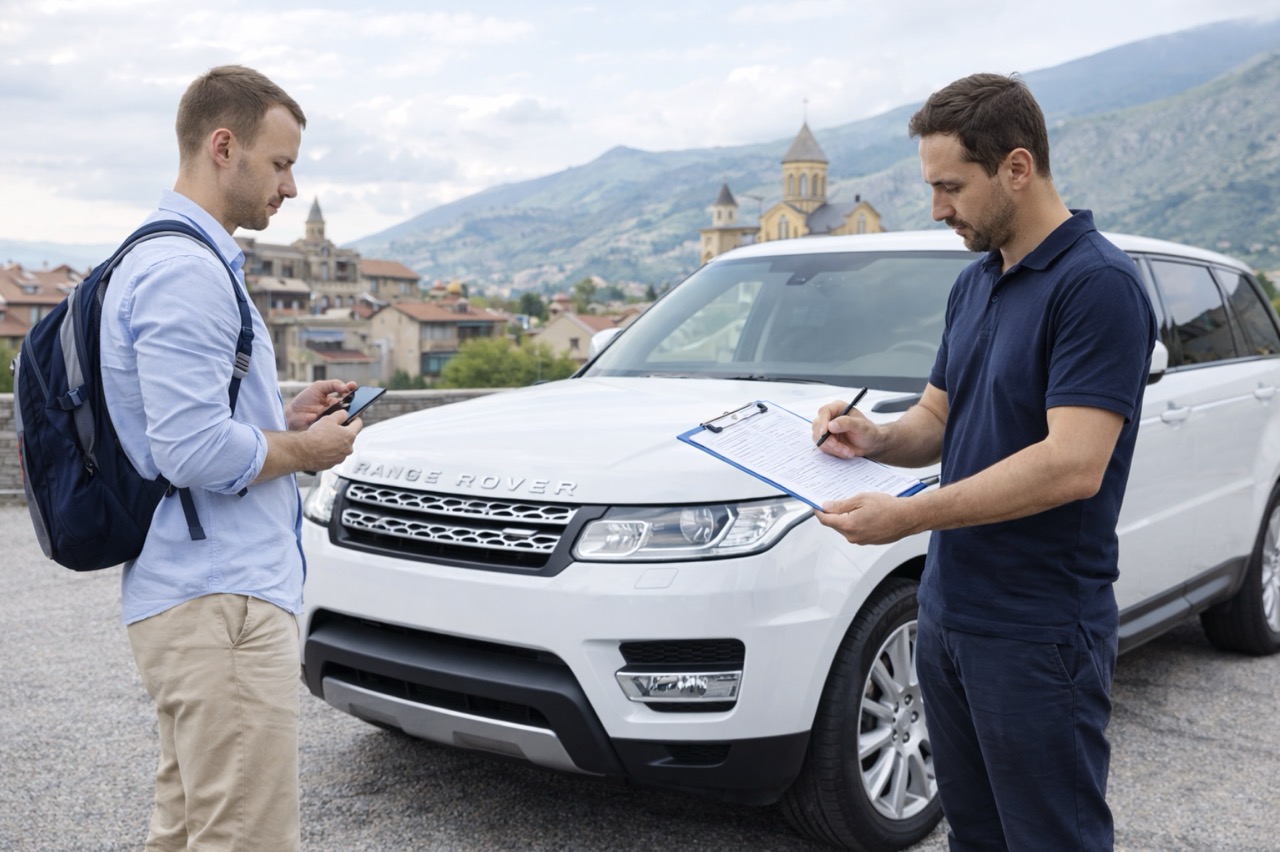
How to Avoid. Inspect the car carefully on pickup: body, glass, mirrors, tires, and interior. Take photos and videos from multiple angles, documenting existing scratches or chips. Check headlights, wipers, and brakes; ensure documents are in the glovebox. On return, inspect the car with the staff and sign a receipt noting all damage. Keep photos and the receipt until your deposit is returned.
Incorrect Fuel Policy Choice
Mistake. Misunderstanding the refueling scheme leads to extra charges. Some companies operate on a “full-to-full” basis, but clients forget to refill before return and pay inflated fees for missing fuel.
How to Avoid. Clarify the fuel policy with the rental company: full-to-full or return at the same level. If full-to-full, fill up at the nearest gas station before return and keep the receipt. For same-level policies, photograph the fuel gauge upon pickup to prevent disputes. In rural areas, gas stations are scarce, so plan routes considering fuel availability.
Not Returning on Time
Mistake. Late return or failure to notify the company can result in extra charges: they may bill an additional day or reassign your car to another customer.
How to Avoid. Return the car on time. If delays are unavoidable, call or message the company and explain; often, rental can be extended at the same rate if notified in advance. When booking, allow buffer time for flight delays or traffic. It’s better to book pickup with a margin than to rush on winding mountain roads.
Ignoring Border-Crossing Permissions
Mistake. Some tourists plan trips to Armenia, Azerbaijan, or Turkey in a rental car without checking conditions. According to Georgian rental companies, standard insurance only covers Georgia; crossing the border without proper documents invalidates the policy, and the renter bears all costs in case of an accident.
How to Avoid. If you plan to cross borders, arrange this with the rental company in advance. You will need a power of attorney and additional insurance. These services require time and fees, so do not attempt spontaneous trips abroad. Without proper documents, entry may be denied even at the border.
Conclusion
Car rental in Georgia is a great way to explore the country, but a successful trip depends on careful preparation. Choose the right car for your route and season, read the agreement and insurance conditions carefully, plan your route considering weather and road conditions, book in advance, document the car’s condition, and follow local rules. By following these tips, you’ll avoid common mistakes and enjoy a comfortable, trouble-free journey.