















26 min
Traveling around Georgia in a rental car means freedom of movement, adventure, and breathtaking landscapes around every turn. Our company, which has been working with self-driving tourists in Georgia for many years, has prepared this detailed guide. Here you will find up-to-date traffic regulations, information about fines, tips on communicating with Georgian traffic police, and road safety recommendations. All advice is based on our own experience and hundreds of real customer stories, so that your independent road trip is as comfortable and safe as possible.
Traffic Rules in Georgia (2024–2026)
Georgian traffic rules are generally similar to European standards, however there are important nuances and recent changes you should be aware of. In recent years, some rules have been tightened, especially to improve the safety of children and pedestrians. Below are the main requirements:
- Speed limits: standard speed limits are 60 km/h in urban areas, 90 km/h outside urban areas, and 110 km/h on highways. Speeding is one of the most common violations and is subject to fines. However, there is an unofficial tolerance: exceeding the limit by up to +15 km/h is usually not penalized. This does not mean you can constantly drive faster — speed cameras and patrols are widespread in Georgia, especially on the Tbilisi–Batumi highway and around major cities. We recommend sticking to the limits, and even more so on mountain roads, even if local drivers seem to be in a hurry.
- Seat belts: by law, the driver and front-seat passenger must wear seat belts. The fine for not wearing a seat belt is currently 40 GEL (≈€13), and according to new amendments it is planned to increase to 50 GEL. Rear-seat passengers are not formally required to buckle up, and many locals ignore this rule. Nevertheless, we recommend that all passengers wear seat belts — for your own safety.
- Headlights and lighting: low-beam headlights must be turned on at night, in tunnels, and in poor visibility (rain, fog). During the day on open roads outside cities, it is also advisable to use daytime running lights so that your car is clearly visible — especially on mountain serpentines and narrow roads where oncoming vehicles may appear suddenly. Driving without headlights where required carries a fine of 15 GEL (~€5). Use fog lights only for their intended purpose — in fog or on winding mountain roads.
- Transporting children: requirements for child car seats in Georgia have recently been tightened. Previously, children under 3 could ride on the rear seat on the lap of a belted adult — many locals did so. Now the law requires that children up to 12–13 years old (and under 135 cm in height) must be transported using a proper child seat or booster on the rear seat. The fine for violating child transport rules is 40 GEL (~€13). In the past, police often turned a blind eye to the absence of child seats, but now enforcement is stricter. One of our clients was fined 40 GEL in 2025 because a child was riding without a child seat. Therefore, always use a child seat — for your child’s safety and to avoid problems. (We provide child seats on request, and our managers always remind customers of this requirement when traveling with children.)
- Pedestrian priority: according to the rules, drivers must yield to pedestrians at marked crossings. Georgia follows the pedestrian-priority principle similar to Europe. However, in practice, not all drivers stop at zebra crossings, and police often do not penalize such violations. This is an unfortunate cultural aspect: pedestrians often cross roads anywhere, and cars do not always slow down even at crossings. Our advice: always reduce speed before pedestrian crossings and yield to pedestrians, even if someone honks behind you. This shows respect and helps avoid accidents. Remember that tourist areas (Old Tbilisi, Batumi boulevards, etc.) are full of pedestrians — drive especially slowly and attentively there.
- Alcohol and driving: Georgia has strict limits on driving under the influence. The legal maximum is 0.3‰ (promille) of blood alcohol, roughly equivalent to one glass of wine. Exceeding this limit results in a fine of 700 GEL (~€220) and license suspension for up to 6 months. Police regularly conduct sobriety checks, especially in the evenings near tourist cities. Do not take risks — Georgian wine is excellent, but if you drink, use a taxi or rest before driving.
- Mobile phones: using a mobile phone while driving without hands-free is prohibited. Calls are allowed only via headset or speakerphone. The fine for holding a phone is 30 GEL (~€10), with plans to increase it to 50 GEL. Many tourists use smartphones for navigation — secure your phone in a holder in advance. A common mistake is driving with one hand while holding the phone with maps in the other — this is noticeable and can result in a fine, not to mention the danger. Try to minimize screen distractions, especially on difficult road sections.
- Documents and insurance: in Georgia, you can drive with a national driver’s license if it includes Latin transliteration. An international driving permit is not mandatory, but we recommend obtaining one if your license is not in English — it simplifies communication with police. Foreign drivers must carry a passport, driver’s license, vehicle registration certificate, and insurance policy. Since 2018, third-party liability insurance has been mandatory in Georgia, but if you rent a car from us, all required insurance is already included and documents will be in the glove compartment. Make sure the rental agreement lists you as a driver — it is also advisable to carry it with you. Usually, police only ask for a license and registration, but having a full set of documents simplifies any interaction.
Important: In 2024–2025, Georgian authorities are introducing a number of amendments tightening traffic rules and penalties. These include higher fines (details in the next section), stricter parking regulations, and vehicle technical requirements. These measures are linked to the growing number of vehicles and the government’s efforts to reduce road accidents. We constantly monitor legislative updates and will keep you informed. The most recent changes are already reflected below so that you are fully prepared.
Fines: What You Can Be Penalized For and How Much It Costs
Georgia also operates a penalty points system: each driver is given 100 points per year, and violations deduct points; losing all 100 points results in license revocation. Tourists are best off avoiding fines altogether, but being informed means being prepared. Below are the most common violations and their penalties:
Parking in Cities, Mountains, and Rural Areas
Parking rules in Georgia vary significantly depending on the location — whether you are in a large city, a resort area, the mountains, or a small village. Understanding these differences will help you avoid fines and unnecessary stress during your trip.
Parking in Tbilisi and Major Cities
In large cities such as Tbilisi, Batumi, Kutaisi, and Rustavi, a municipal paid parking system operates. Most central streets and tourist areas are included in paid parking zones.
- Parking fee: usually 1 GEL per hour or 2–3 GEL per day, depending on the city.
- Payment methods: parking meters, mobile applications, SMS (for local SIM cards), or purchasing a daily parking ticket.
- Tourist tip: if you do not have a Georgian SIM card, the easiest option is to buy a daily parking ticket at a terminal or kiosk.
- Fines: parking without payment may result in a fine of 10 GEL. Repeated violations can lead to wheel clamping or towing.
Always pay attention to road signs. In central areas, parking rules are strictly enforced, especially in Batumi during the tourist season and in central Tbilisi. Vehicles parked under “No Parking” signs are often towed within minutes.
Parking in Tourist Areas and Resorts
In popular tourist locations (Old Tbilisi, Batumi Boulevard, Gudauri, Kazbegi), parking can be more chaotic. Some areas have official parking zones, while others rely on informal local arrangements.
- Resort towns: in Batumi, Kobuleti, and Borjomi, parking near main attractions is usually paid, while residential streets nearby may be free.
- Hotels: many hotels offer parking for guests, sometimes for an additional fee.
- Private parking attendants: you may encounter locals offering to “watch” your car for a small tip (2–5 GEL). This is not official but generally safe.
We recommend clarifying parking rules in advance if you plan to stay in the city center or near popular attractions, especially during peak season.
Parking in Mountains and Rural Areas
In mountainous regions (Gudauri, Kazbegi, Svaneti, Adjara mountains) and rural villages, parking is usually free and unrestricted. However, there are important safety considerations:
- Do not block roads: mountain roads are often narrow, and even a partially blocked lane can make it impossible for other vehicles to pass.
- Avoid parking on slopes: always engage the handbrake and, if possible, turn the wheels toward the curb or roadside.
- Weather conditions: in winter, avoid parking in areas prone to avalanches, falling rocks, or heavy snow accumulation.
- Respect locals: do not park in front of private gates, farm entrances, or village roads used by agricultural vehicles.
In remote regions, locals are generally friendly and helpful. If you are unsure whether you can park somewhere, a simple gesture or question is usually enough to get guidance.
Interaction with Georgian Traffic Police
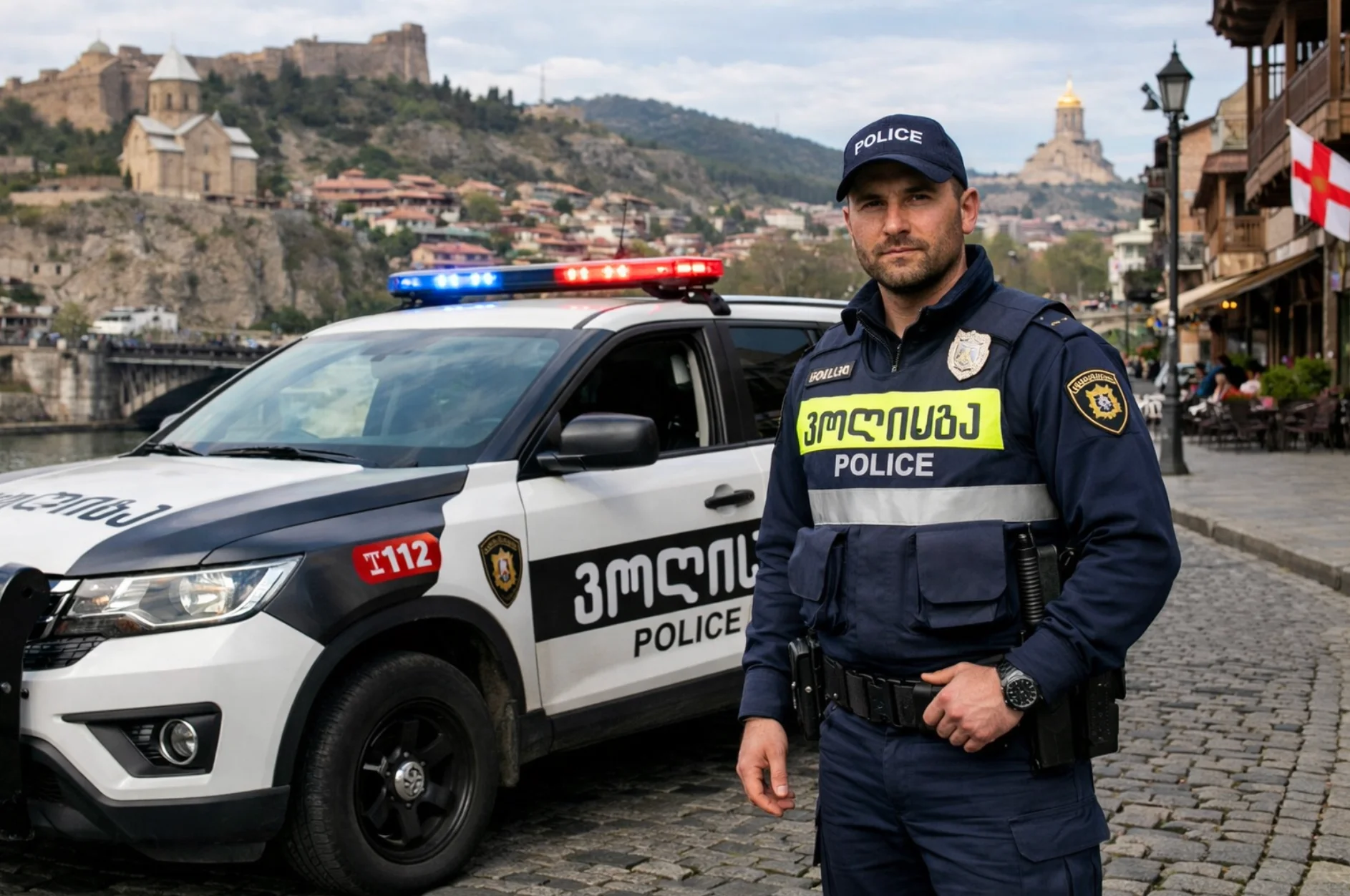
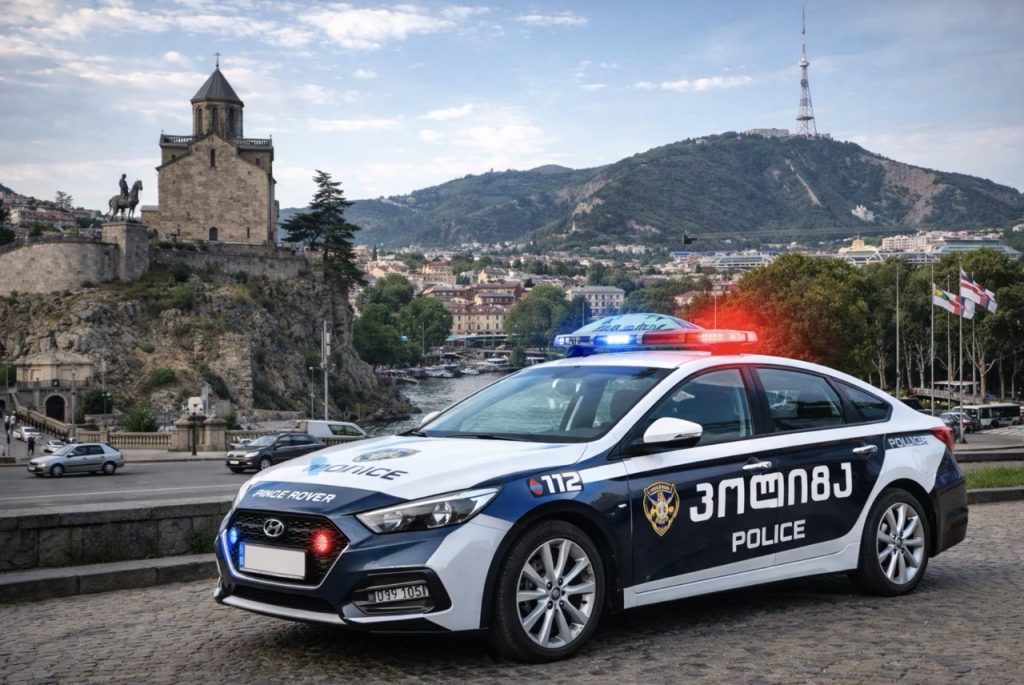
Georgian traffic police are generally polite and professional, especially when dealing with foreign drivers. Encounters are usually calm and straightforward.
- Language: many officers speak basic English. If not, they may use a translator app.
- Documents: be ready to show your driver’s license and vehicle registration. Insurance is usually checked electronically.
- Fines: fines are issued officially — never offer cash to an officer. Payments are made through banks or online systems.
Important: corruption on the roads in Georgia is extremely rare today. Any attempt to offer a bribe can result in serious legal consequences. Simply remain calm, polite, and cooperative.
Road Safety Tips for Tourists
Driving in Georgia can be a pleasure, but it requires attentiveness, especially outside major cities. Here are some practical recommendations:
- Expect unpredictable behavior from local drivers, pedestrians, and livestock on rural roads.
- Reduce speed on mountain serpentines — road conditions and visibility can change suddenly.
- Avoid night driving in remote areas if you are unfamiliar with the route.
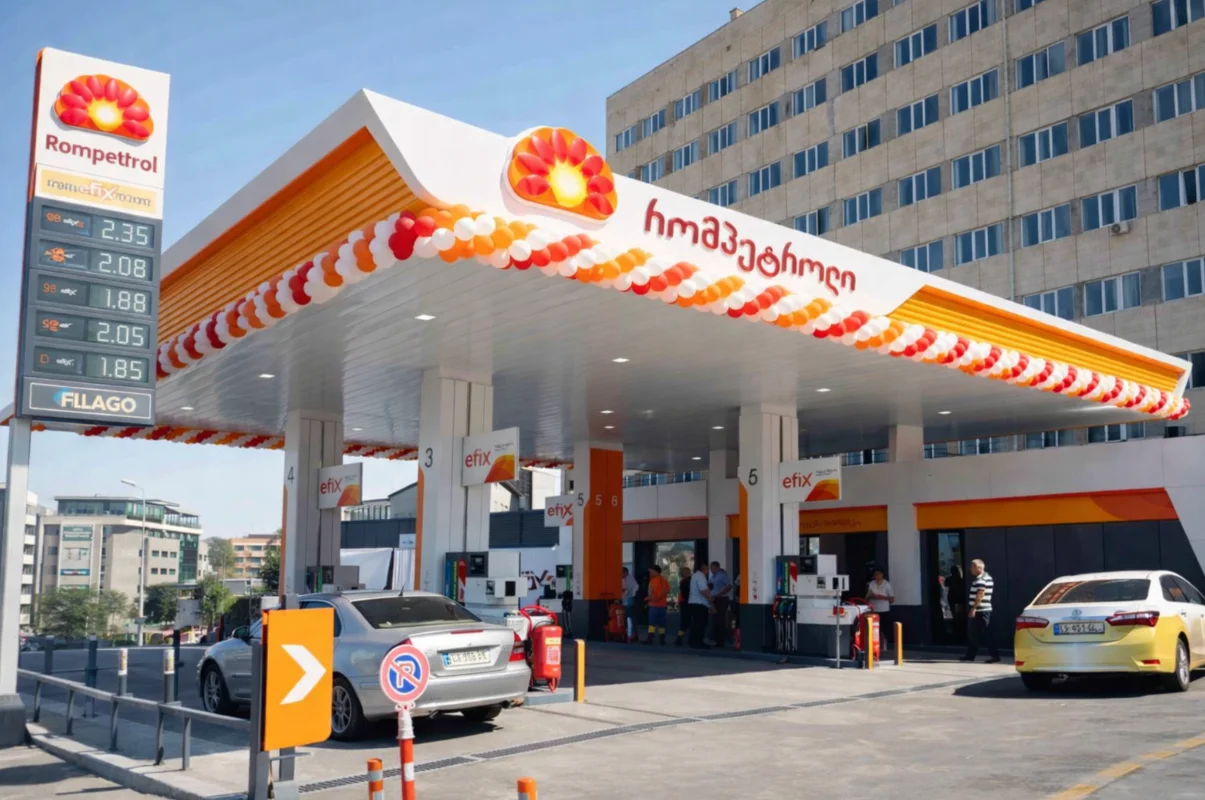
- Always check fuel levels before heading into mountainous regions — gas stations can be far apart.
- Use offline maps or download routes in advance, as mobile coverage may be limited in the mountains.
Conclusion
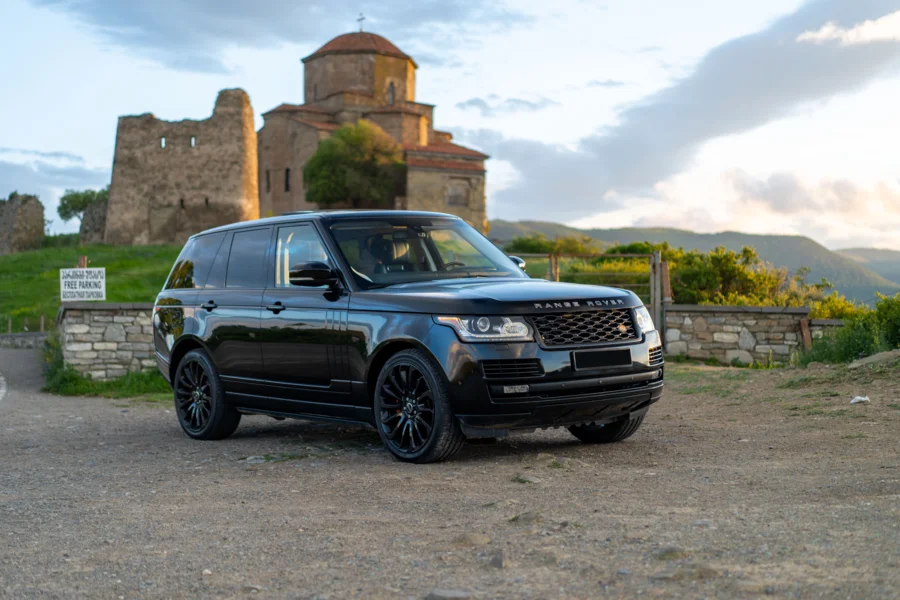
Traveling around Georgia by car offers maximum freedom and access to the country’s most beautiful places — from vibrant cities to remote mountain villages. Understanding traffic rules, parking regulations, and local driving habits will help you avoid unnecessary problems and fully enjoy your journey.
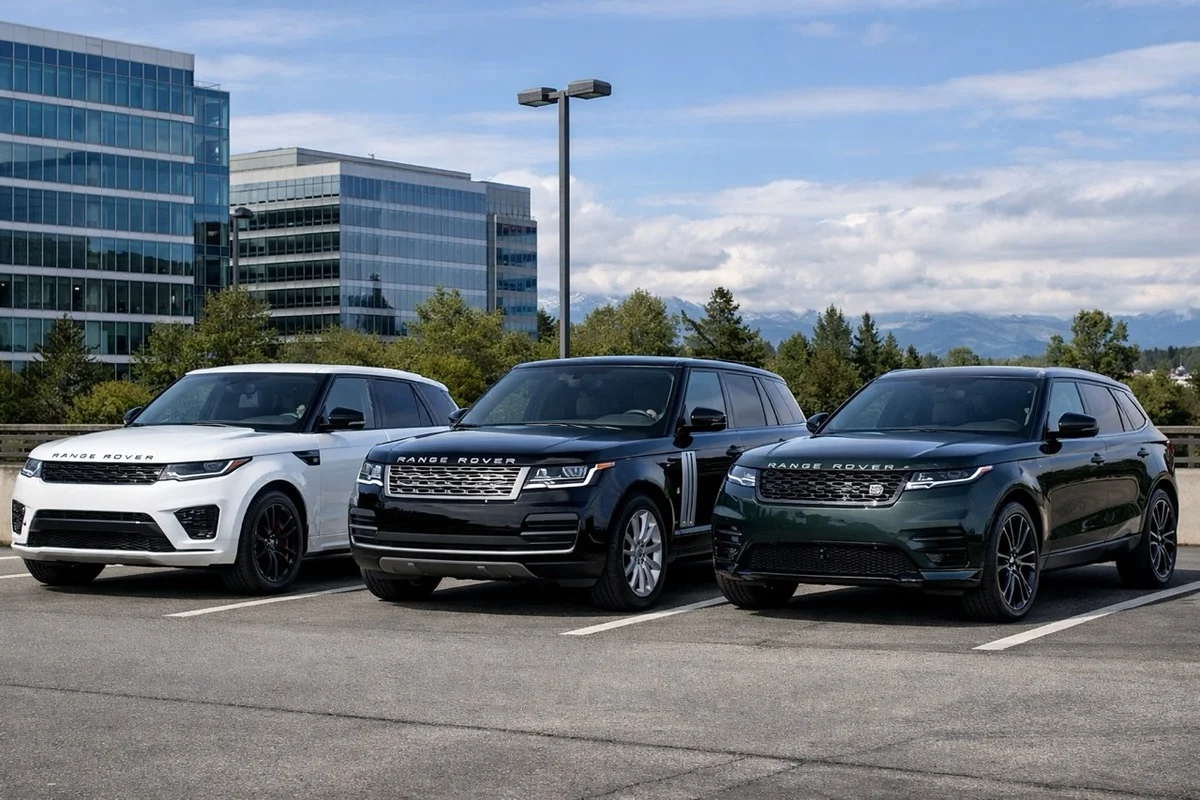
If you plan to explore Georgia independently, renting a car is one of the most convenient and flexible options. We provide well-maintained vehicles, full insurance coverage, and 24/7 support to ensure your trip is safe and comfortable. Let us take care of the details — and enjoy the road ahead.