






Гнедько Марина, Автор в Cabrio - Page 4 of 4 | CabrioGE

Jeep Rental in Georgia – Routes, Off-Road Vehicles, and Tips

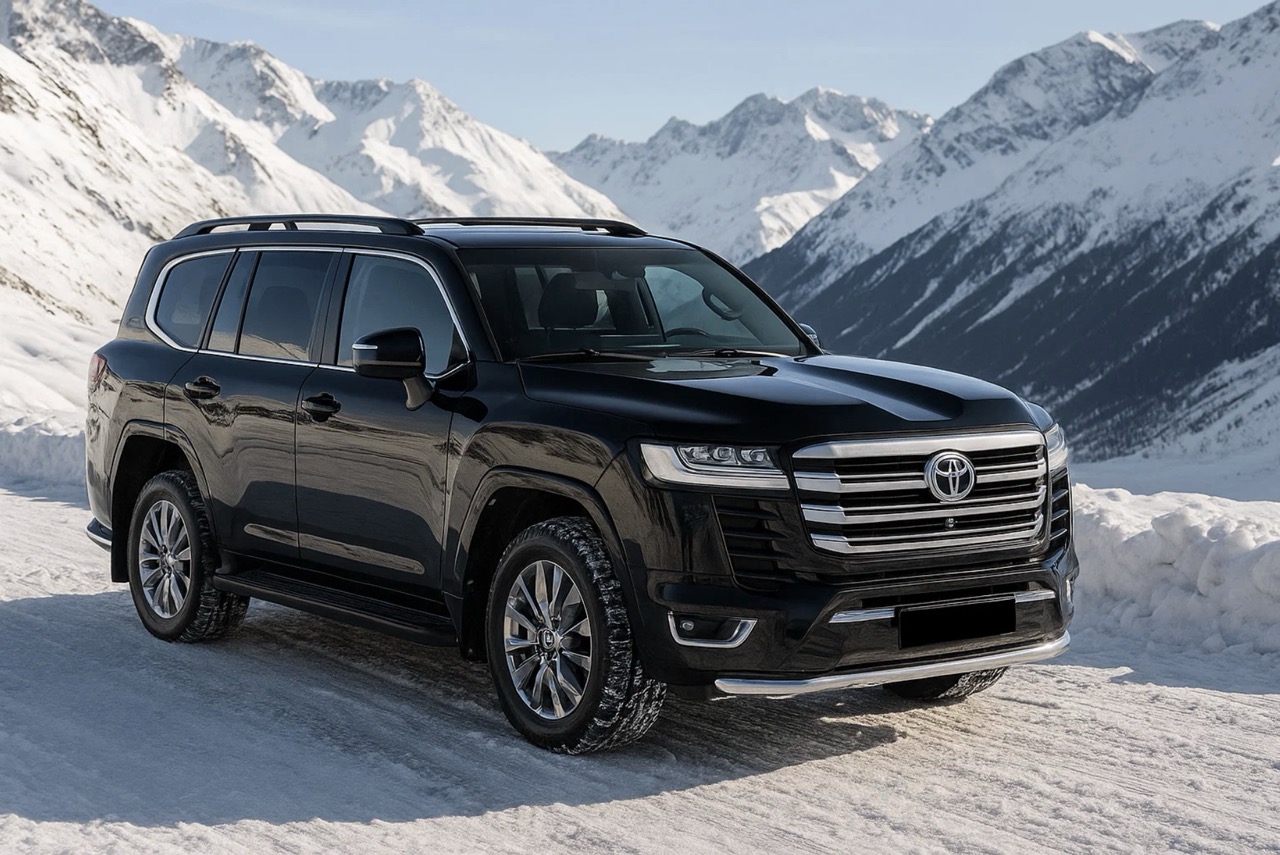
Traveling around Georgia by your own car is a dream for many tourists. Jeep rental is especially popular in this country, as Georgia’s mountainous terrain and remote attractions often require a reliable off-road vehicle. From the Black Sea coast of Batumi to the snow-capped peaks of Svaneti, renting a jeep means freedom of movement and confidence on any road. In this article, we will explore the advantages of renting a jeep for traveling in Georgia, how jeeps differ from crossovers, where all-wheel drive and ground clearance are essential, when it makes sense to rent an SUV with a driver and when you can do without one, which models are available (Toyota Prado, Mitsubishi Pajero, Nissan Patrol) — and why it is most выгодно to do so with us.

Why choose an SUV (jeep) for traveling in Georgia

Georgia attracts travelers not only with its rich culture but also with its natural diversity — from seaside beaches to high mountain passes. Many scenic locations are situated in hard-to-reach areas, accessible via dirt and rocky roads. To get there, a standard passenger car is often insufficient — a true off-road vehicle is required. For example, on challenging routes in the Kazbegi or Tusheti regions, broken roads and low ground clearance become a serious issue for regular cars. Therefore, if your itinerary includes mountain roads in Svaneti, Kazbegi, or Tusheti, choosing jeep rental is an obvious decision — only an SUV with all-wheel drive and high ground clearance can ensure comfort and safety on difficult terrain.

Of course, renting such a vehicle is more expensive than an economy-class car, and fuel consumption is higher as well. In the city, a large SUV is not always convenient — parking on the narrow streets of old Tbilisi can be challenging. However, the advantages outweigh the drawbacks: excellent off-road capability, ample luggage space, and smooth ride over potholes allow you to drive confidently even where a passenger car might get stuck or damaged. For those who want to see the real Georgia, including its remote mountain villages and nature reserves, the extra cost of an SUV is fully justified.

Crossover or jeep: what’s the difference?

To decide whether you truly need a jeep rental (a full-fledged off-road vehicle) or if a city crossover will suffice, it’s important to understand the differences. A crossover is primarily a “city” SUV built on a passenger-car platform (unibody construction), focused on comfort and fuel efficiency; an off-road vehicle is designed for serious off-roading (body-on-frame or reinforced construction, low-range gearbox, differential locks), sacrificing some comfort for capability and durability. Simply put, a jeep is intended for off-road driving, while a crossover is mainly designed for asphalt and light dirt roads.

The differences are evident in the details. Crossovers usually have lower ground clearance and less robust suspension, which limits their off-road capability. All-wheel drive, if present, is often part-time and lacks a low-range gearbox. Off-road vehicles, on the other hand, feature high ground clearance, a rigid frame (or reinforced body), most often permanent 4×4, and a low-range transfer case — all of which allow them to confidently go where a “soft-roader” might get stuck or damaged. For example, popular crossovers like the Toyota RAV4 or Subaru Forester are more compact and economical, easier to maneuver in the city, and quite capable on gravel or snowy roads. However, in real mountains they cannot match “true” jeeps: models such as the Toyota Land Cruiser Prado and Mitsubishi Pajero offer higher clearance and reinforced suspension, often equipped with rigid all-wheel drive and differential locks — making them comfortable on steep passes, rocky climbs, and severely damaged roads. If your route promises serious off-road conditions, it’s better to rent a jeep than risk it in a crossover.

Routes and experiences: where a jeep truly shines

For adventure seekers, jeep rental in Georgia is more than just a service — it’s an adventure in itself. An off-road vehicle allows you to reach places inaccessible to ordinary cars and experience true freedom on mountain roads. It’s no coincidence that many travelers choose to explore mountainous Georgia in four-wheel-drive jeeps.

Georgia’s mountainous landscape seems made for off-road travel. Along the way, you encounter steep passes, guardrail-free serpentine roads, and river crossings — challenges only a four-wheel-drive vehicle can handle. Around every bend, breathtaking panoramas unfold. Travelers endure the rough ride for these views: this is where renting a jeep without a driver becomes your pass to unique places unreachable by a regular car.

One of the most thrilling routes is the road to Tusheti. This narrow dirt track over the Abano Pass (about 2,900 m) is famous for its sheer cliffs and tight hairpin turns. It is open only a few months a year (roughly from early June to early October) and can be driven exclusively with a four-wheel-drive vehicle. Driving a powerful jeep over this pass delivers unforgettable adrenaline: wheels gripping rocks on steep climbs, mountain streams roaring beneath the underbody, and dizzying views of the Caucasus peaks through the windows. Fear and exhilaration blend together as, after another sharp turn, you stop amid pristine high-mountain wilderness. (It’s no coincidence that seasoned travelers note that only a powerful 4WD jeep and extensive driving experience allow one to safely traverse the road to Tusheti.)

In other regions, an off-road vehicle opens up new possibilities as well. In Svaneti, for example, the main road to Mestia is now paved, but many villages and passes off the main highway are still accessible only via dirt roads. With a jeep, you can confidently head toward glacier foothills or remote settlements like Ushguli without fear of getting stuck. Imagine arriving in a Pajero at an ancient Svan tower against a backdrop of eternal snow — no one around, only majestic mountains. Such moments deliver the incomparable thrill of independent discovery. At the other end of the country, in the semi-desert steppes of the Vashlovani Reserve, a four-wheel-drive SUV is absolutely indispensable: dusty tracks, dried riverbeds, and clay canyons can only be conquered by high-clearance 4×4 vehicles. Routes through wild nature — whether mountain trails or steppe roads — become a reality when you have a reliable jeep at your disposal.

Jeep rental with or without a driver: which to choose?

When considering an SUV rental, it’s important to decide whether you can handle the trip on your own or if it’s better to use the services of a professional driver. Both options have their advantages. Below, we offer recommendations on when renting a jeep with a driver is optimal and when it’s more cost-effective to go without one.

Without a driver (self-drive). Self-drive jeep rental appeals to experienced road trippers who value independence. You control the route and pace, can spontaneously change plans, and stop wherever you like. It’s also a noticeable cost saving — there’s no need to pay for a driver, and the cabin is reserved solely for your group. However, this option is suitable only if you feel confident behind the wheel in challenging conditions. Georgian mountain roads demand attention: serpentine turns, slippery sections after rain, herds of animals on the road — you must be prepared for everything. Before renting a jeep without a driver, honestly assess your off-road and mountain driving experience. If you’ve previously driven four-wheel-drive vehicles and are used to changing a punctured tire on the road yourself, a self-guided trip will most likely bring only positive emotions.

With a driver (professional chauffeur). Jeep rental with a driver is popular among those who are unsure of their off-road skills or simply want to relax and enjoy the scenery. An experienced local driver knows the nuances of mountain routes, speaks the necessary languages, and can act as your guide if needed. They will check weather forecasts and pass conditions in advance and bypass difficult sections. You won’t have to think about the technical side: the driver will engage all-wheel drive when required and carefully navigate dangerous stretches. Renting a jeep with a driver is especially recommended for extreme roads like those in Tusheti — local knowledge and refined driving skills on narrow cliffside roads are invaluable there. Of course, rental with a driver is more expensive, but you travel without stress or fatigue. This is the optimal choice if you want to explore the country as comfortably as possible, entrusting all the hard work to a professional. A compromise option is to hire a driver for the most challenging days of the route (for example, ascending to high mountain areas) and drive the vehicle yourself for the rest of the trip.

In summary: if you are confident behind the wheel and crave full immersion in adventure, renting a jeep without a driver will give you freedom and a special driving experience. If 100% safety and local expertise matter more, it makes sense to rent an SUV with a trusted driver. In any case, the company is ready to provide both options according to your preference.
Parking in the center of Tbilisi – what you need to know in advance

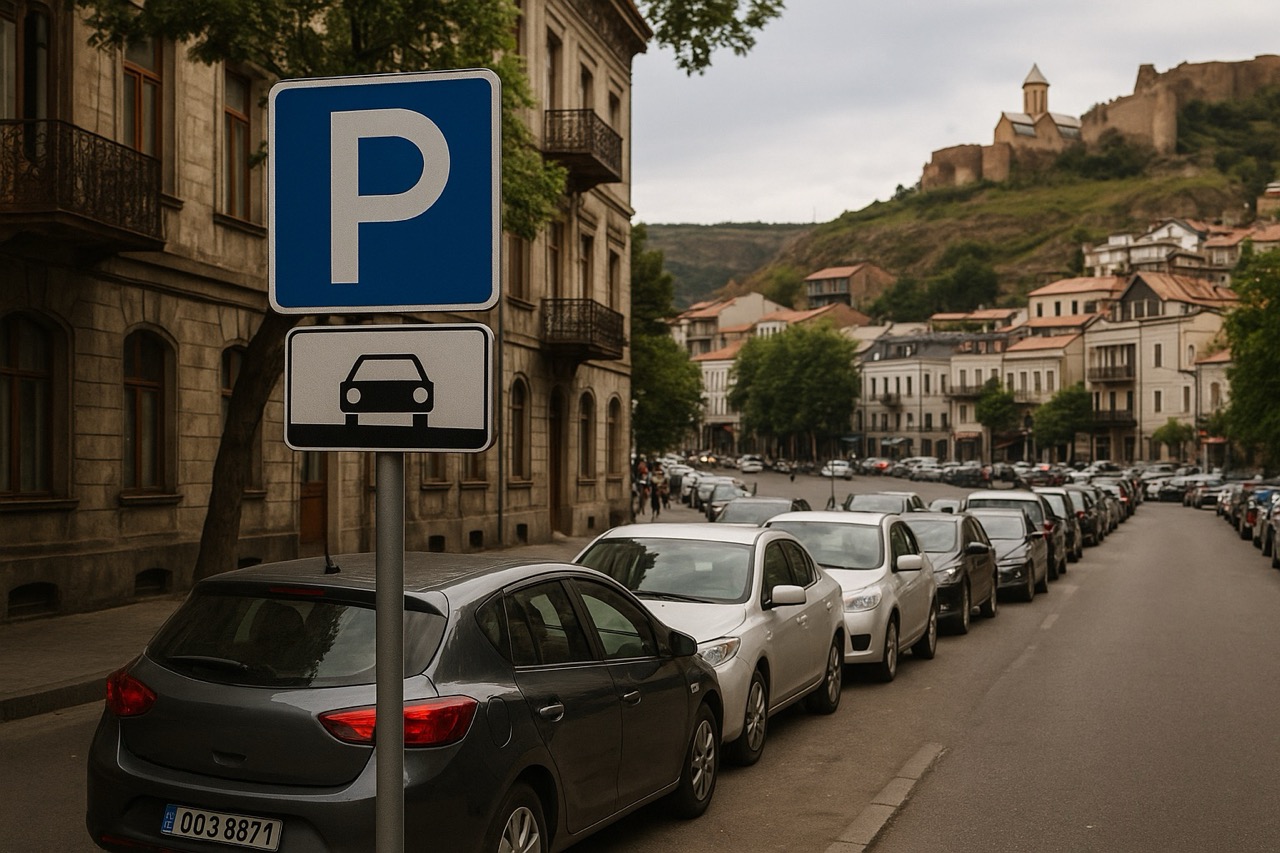
Parking space in Tbilisi’s historic districts is limited: narrow streets, popular tourist spots, and dense traffic. Nevertheless, drivers have access to a clear and understandable parking system; once you know how it works, you can enjoy your trip with confidence. The city center offers paid municipal street parking (marked by a blue “P” on signs) as well as several underground parking garages. As locals, we share all the nuances—from zonal parking tariffs to practical tips on where it’s best to leave your car. This is essential information for anyone planning to get around Tbilisi by car, whether it’s their own vehicle or a rental.

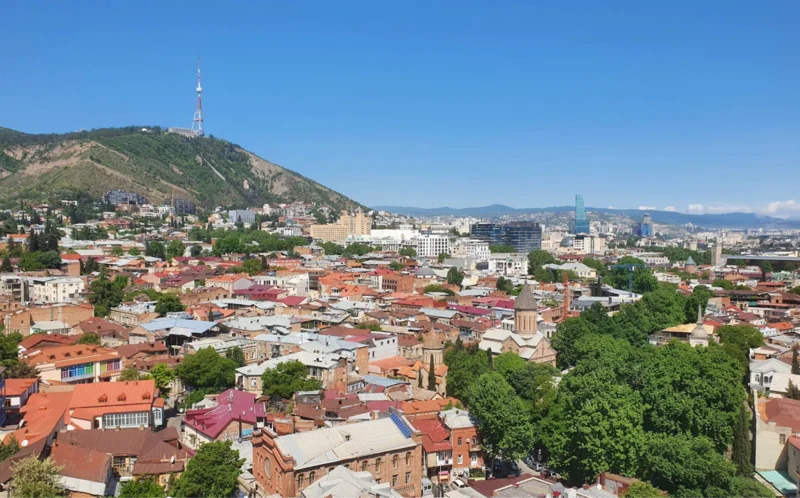
Imagine this: you’re leisurely driving a rental car through Tbilisi’s old quarters, with views of tiled rooftops and the Narikala Fortress opening up ahead. Soft music plays inside, the air conditioning saves you from the summer heat, and the navigator confidently guides you to the nearest available spot. One more moment—and you smoothly park in a cool underground garage, just steps away from bustling Rustaveli Avenue. With this freedom of movement and knowledge of parking rules, the city reveals itself in an entirely new way, giving you comfort and confidence behind the wheel.

Street (zonal) parking in the center: zones A, B, C and tariffs

The main part of central Tbilisi is covered by zonal hourly parking. This means that street parking in designated zones is paid during certain hours, and the cost depends on the location. In the historic center (for example, around Kote Abkhazi Street, the Old Town, and the Abanotubani area), three tariff zones apply:

  • Zone A – 1 lari per hour (about $0.37).
  • Zone B – 2 lari per hour (~$0.74).
  • Zone C – 3 lari per hour (~$1.10).

The zone type and current rate are always shown on the information plate beneath the “P” sign on the specific street. The first 15 minutes of parking are free, intended for short stops such as dropping off passengers or running into a shop. If you plan to stay longer, be sure to pay for your parking time, otherwise you risk a fine. The fine for unpaid parking in Tbilisi is currently around 50 lari, and in serious cases the vehicle may even be towed. Not exactly a pleasant experience to return from a museum or restaurant and find your car gone!

How do you pay for parking?

It’s quite simple. First, there are parking meters and payment terminals (you’ll find them on streets with zonal parking, at gas stations, and in shops). At the terminal, you enter your vehicle’s license plate number (Georgian plates use Latin letters and numbers, in a format like AA777BB) and pay for the desired time. Second, there is the official Parking Tbilisi mobile app available for smartphones (App Store and Google Play). The app is convenient: it shows a map with all parking zones, allows you to pay quickly, and extend your parking if needed. However, note one nuance: registration in the app often requires a Georgian bank card or phone number. If you’re visiting briefly and don’t have a local card, it’s easier to use a payment terminal or ask locals for help—Georgians are very friendly and happy to assist. By the way, the Parking Tbilisi website (parking.tbilisi.gov.ge) also allows online payment and can be used via a translator.

After payment, there is no need to leave a receipt on the dashboard—the system links payment to the license plate electronically. Parking inspectors check by plate number whether the spot has been paid. If your time is about to expire, it’s best to return to the car or extend the parking remotely to avoid a fine. Towing services operate in the city: for violations or non-payment, a car may be towed, and you’ll have to pay around 50–150 lari for the full “package” (fine, towing, and storage).

When is parking free?

Payment is required only in designated paid areas (zones) and usually only during daytime hours—the exact schedule is shown on the sign. Outside operating hours (for example, late at night or on weekends, if indicated on the sign), street parking may be free. You also don’t need to pay where there are no paid parking signs—elsewhere in Tbilisi, parking is free. Many locals, for example, park in courtyards or along streets outside the center. We don’t recommend tourists park chaotically on sidewalks or in unauthorized places—although some people do, you may receive a fine or have your car towed if you’re unlucky. It’s better to follow the rules: look for markings, the “P” sign, and follow posted instructions.

Parking permits

If you plan to stay in Tbilisi for a longer time or drive across different districts, there’s a convenient option—a parking permit. For 50 lari, you can purchase a permit valid for an entire year and park at any municipal parking areas outside zones A, B, and C. Shorter permits are also available: weekly (~4–5 lari) or monthly. Keep in mind, however, that a permit does not exempt you from hourly payment in the central zones. It covers only areas of the city without zonal tariffs. For example, with a permit you can park for free on the outskirts or in residential districts, but in the very center (A, B, C) you still pay hourly. A permit is useful if, for instance, you’ve booked accommodation outside the main tourist hub and plan to drive around the city. Permits can be purchased via the app or terminals by selecting the desired period.

Parking attendants in vests

A feature of Georgian cities is the presence of so-called volunteer parking attendants. In Tbilisi, you may encounter men in bright vests with batons who wave you in, helping you squeeze into a tight space. Officially, these people do not collect parking fees (parking payments are made only through the methods described above); their help is voluntary. It’s customary to thank such a helper with a small tip of 1–2 lari after a successful parking maneuver. But remember: this is not mandatory, just a gesture of courtesy. If a “parking attendant” behaves aggressively or demands money, feel free to refuse—you are not legally obliged to pay. Such situations are rare, though—more often they genuinely help with gestures or keep an eye on the car while you’re away, hoping for a small reward.

Underground parking in the center: where to leave your car comfortably

The historic center of Tbilisi attracts many tourists, so the authorities have equipped several underground parking facilities. They’re convenient if you want to protect your car from heat, avoid circling streets looking for a spot, or leave the vehicle for an extended time. Here are the most popular and convenient locations in the central part of the city:

  • Freedom Square underground parking. This is perhaps the main parking facility in the heart of Tbilisi—directly beneath Freedom Square (formerly Lenin Square). The entrance is from Pushkin Street and Rustaveli Avenue. The garage is large, guarded, and open 24/7. From here, it’s just a short walk to the Old Town, Rustaveli Avenue, and Galleria Tbilisi shopping mall. If you’re staying in a hotel or apartment in Sololaki or near Freedom Square, this is the best option. Payment is calculated per minute at the exit via an automated machine (cash or card). Rates are moderate, around 2–3 lari per hour, with daily options available. Tip: in the evenings and on weekends, Freedom Square can be busy, but there’s almost always space underground.
  • Parking near Rike Park (Europe Square). On the left bank of the Kura River, next to Rike Park and the lower station of the cable car to Narikala, there’s another large underground parking garage. It’s extremely convenient for exploring the Old Town: ride the cable car up to the fortress, stroll through the park, or walk across the Bridge of Peace. You can leave your car right by the park entrance, descending underground. Many travelers note its affordable price—around 7 lari per day. For a symbolic fee, you get a safe space and peace of mind with camera surveillance. Like others, the Rike parking has barriers: take a ticket on entry and pay at the machine when exiting. If you plan a long walk through the center, this is an excellent choice.
  • Orbeliani Square parking. A small modern underground garage located beneath the renovated Orbeliani Square (near Rustaveli Avenue, close to the Flower Market and the city court). Built recently as part of a district renewal, it accommodates about 150 cars. The entrance is from Anton Purtseladze Street. Its main advantage is proximity to the Dry Bridge area (flea market), the Griboedov Academic Theatre, and the lower part of Rustaveli Avenue. It’s convenient if you’re visiting the Dry Bridge flea market or walking around the Vera district. The parking is paid, with rates comparable to others (about 1–2 lari per hour). Note that in the evenings, Orbeliani Square itself may be closed to traffic for pedestrian events, but vehicle access to the garage remains via side streets.
  • Shopping centers and hotels. You can also use covered parking at shopping malls. For example, Galleria Tbilisi on Shota Rustaveli Avenue has its own multi-level underground parking (entrance from Lesia Ukrainka Street). It’s primarily for mall visitors but effectively open to everyone for hourly payment. If you need a short stop in this part of the center, it’s a practical option: the first hour costs around 2 lari, with increasing rates afterward, or free with purchases during promotions. Another mall, Shopping Mall “Gallery” near the avenue, also has parking. Many major hotels (Marriott, Radisson, etc.) offer their own guarded parking for guests—check when booking. Keep in mind, however: “free hotel parking” often means standard city spaces outside the building. If the hotel is in a paid parking zone, you’ll still need to pay the municipal fee unless it has a truly private fenced area or underground garage.

Overall, underground parking in central Tbilisi is your best friend if you value comfort and safety. These garages are guarded, usually operate 24/7, and protect your car from the elements. In summer, the sun can be relentless, but underground your car stays cool. In winter, you won’t need to scrape frost off the windows in the morning. Plus, you won’t worry about towing or someone bumping your car on a tight street.

Small tips from a local driver

  • Look for free spots slightly away from the center. In the tourist core, finding free parking is nearly impossible, but just outside these zones, your chances improve. For example, near the famous Bridge of Peace along the embankment, there’s a small free parking area. Early in the morning or late in the evening, you can often find a spot there and walk to the Old Town. Free pockets also appear in courtyards and near residential buildings just beyond paid zones. If you don’t mind a 5–10 minute walk, you can save money—just make sure there are no prohibitive signs or markings.
  • Protect your car from the sun. Tbilisi is a sunny city, and in summer temperatures often exceed +35 °C. If you leave your car in the open, the interior heats up quickly. For daytime parking, choose shade or an underground garage. A handy tip: carry a sunshade for the windshield—it’s inexpensive but significantly reduces interior heat while you’re out exploring.
  • Pay close attention to markings and signs. The historic center has many confusing one-way streets and stopping restrictions. Before leaving your car, make sure the markings allow parking (a white dashed line along the curb) and that there are no “no parking” signs or reserved spots. Sometimes a place looks permissible, but a sign just a few meters away prohibits stopping—don’t miss it.
  • Don’t leave valuables in plain sight. A universal rule, but worth repeating. Tbilisi is generally safe, but any large city has some risk of car break-ins. At night, it’s best to clear the interior of bags, navigators, and other items, especially if parking in a courtyard or on the street. If possible, take valuables with you to the hotel.
  • Keep local driving habits in mind. Local drivers park skillfully and sometimes squeeze cars into very tight “gaps,” using minimal space. Be prepared to find your car tightly boxed in the morning. Often it’s enough to leave the car in neutral and not fully engage the handbrake—then it can be shifted manually if needed, as practiced on narrow streets (yes, in Tbilisi, cars parked in gear may be pushed—this does happen!). Still, it’s better to choose more spacious parking areas and avoid creating obstacles yourself.

Why renting a car is convenient (even with parking nuances)

Despite the need to understand parking rules, traveling around Tbilisi by car is one of the best choices for a curious visitor. A car gives you route freedom: in the morning you can drive to the Jvari Monastery near Mtskheta, return for lunch in lively Mtatsminda, and in the evening head to Turtle Lake to watch the sunset. Without your own transport, fitting so much into one day is nearly impossible.

The parking system, as we’ve seen, is fairly clear and civilized—with a bit of practice, you’ll quickly learn to navigate signs and zones. As a local guide and car enthusiast, I can say: choosing the right vehicle greatly simplifies parking. For narrow Old Town streets, compact models are ideal. A small city hatchback or sedan (such as Volkswagen Passat or BMW 750) is easier to fit between balconies and curbs. On the other hand, if you plan trips outside the city—into mountains, villages, or rougher roads—it’s worth considering crossovers or SUVs. These vehicles are taller and more powerful (for example, Toyota Land Cruiser Prado or Range Rover Vogue 4.4 Diesel (Autobiography) Black), letting you drive confidently even toward Kazbegi without worrying about potholes—though you’ll need more space to park in the center. Our rental fleet includes options for every taste: from nimble, economical compact cars to prestigious all-wheel-drive SUVs. All vehicles are equipped with air conditioning (and many with rear-view cameras and parking sensors, which are especially helpful in an unfamiliar city).

When you rent a car from our company, you receive not only a vehicle but also the support of local experts. We’re happy to advise you on where to park near your hotel or destination and explain payment details. If needed, we can even arrange parking permits for your stay so you don’t waste time. We value our guests’ comfort: all cars undergo regular inspections, are clean, fueled, and ready for any trip. All that’s left for you is to enjoy the road.

Tbilisi is a welcoming city, perfectly suited for car-based exploration. Yes, the city center demands attentiveness from drivers—but now you know all the key nuances. Park properly and explore the city on wheels with confidence! Your car will always be nearby, ready to take you to new discoveries across Georgia. We’ll make sure that both rental and parking are as convenient as possible, and that your travel impressions are nothing but positive. Welcome to Tbilisi and safe travels!

Autumn and Winter Festival Calendar in Georgia

Autumn gently yields to winter, and Georgia shifts its pace: wine courtyards fall silent after the harvest, the streets of Tbilisi light up, mountain passes take their first frost, and ancient chants echo through churches. This is a time to experience on the road in a quality vehicle that suits your rhythm: attend a morning service in a centuries-old cathedral, catch a sunny window on the mountain pass by day, and find yourself at a city center stage by evening. Imagine the warmth of a sunlit cabin, the silky pull of a modern engine along the sweeping arcs of the Gombori Range, the confident stance of a crossover on winter asphalt, and that special hush in narrow streets as you turn off the headlights at a festive square. Below is a detailed calendar from November to March with route tips, local etiquette, and vehicle recommendations, ensuring every date becomes an occasion for a beautiful journey.

November in Georgia: Festivals, Traditions, and Routes

November opens the church and urban segment of the autumn-winter season. On November 23, the entire country celebrates Georgoba, the Day of Saint George. Liturgies take place in city churches and ancient monasteries, while in Mtskheta and Telavi the day is associated with family gatherings and quiet walks along historic streets. For an ideal route, depart from Tbilisi for a morning service in Mtskheta, stroll along the Aragvi River, and return to the capital by lunch via the scenic loop at Jvari, offering the classic view of the river confluence. For such a day, a C- or D-class sedan equipped with winter tires and hill-hold assist is sufficient; plan parking near historic centers and complete the last meters on foot. The rest of November is about intimate festivals and film screenings, anticipation of the winter light, and the first night frosts on the passes: if you venture into the mountains, a crossover with ground clearance and a Snow mode adds peace of mind on icy stretches and sudden gusts. Georgoba’s fixed date makes planning easy—it’s an official public holiday in the national calendar.

December in Georgia: Christmas Lights, Markets, and Winter Drive

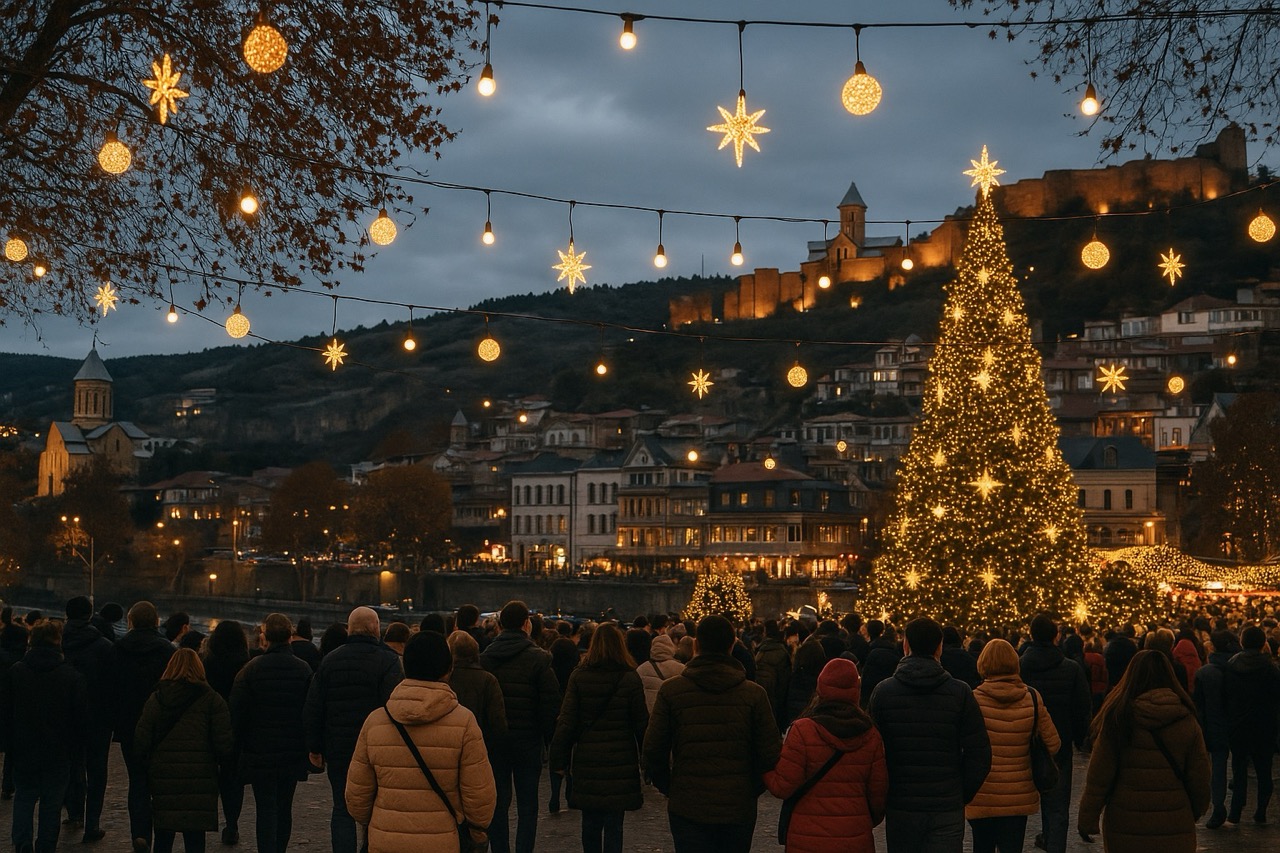
December in Tbilisi means illuminations, the opening of the New Year’s village on Orbeliani Square and nearby gardens, concerts, and daytime markets. The city traditionally launches holiday venues at the end of the month, usually December 24, keeping them active through the Old New Year and Christmas, roughly mid-January; stages and food courts are distributed between Orbeliani, Dedaena, and adjoining streets, while the main concert stage on New Year’s Eve is at Europe Square along the embankment. Logistics are simple: leave your car in underground parking near Freedom Square or Rike, then switch to pedestrian mode; to exit after the concert without traffic, pre-select the parking level and park nose-out. For families and groups, a crossover with heated rear seats, blind-spot sensors, and a spacious trunk for market purchases is ideal. During the same period, the Tbilisi International Film Festival takes place, in 2025 from December 4 to 10, with screenings at multiple central venues—again, comfort wins with the “park once, explore on foot” approach.

January in Georgia: Christmas, Alilo, Bedoba, and the Old New Year

January in Georgia unfolds as a graceful sequence of traditions. January 1 is New Year’s Day with family visits and home feasts. January 2 marks Bedoba, the Day of Luck and Fate, when one is meant to live the day as they wish the year to unfold: visiting loved ones, choosing a bright path, welcoming a lucky “first guest” into the home, with gozinaki—a sweet of nuts and honey—on the menu. January 7 is Christmas according to the Julian calendar and the citywide Alilo procession: a daytime singing parade through Tbilisi to the Holy Trinity Cathedral (Sameba), where by evening the Christmas light takes on a particularly dense glow. January 14 is the Old New Year, and January 19 marks Epiphany with the blessing of water. These dates are perfect for urban itineraries: park in underground lots in the morning, go on foot for services and processions, take a short excursion to viewpoints by day, and return to the city lights in the evening. For January travel, select a car with windshield heating, winter tires, and hill-start assist; for trips between Tbilisi and ski resorts, opt for all-wheel drive and traction control modes on slippery roads. These key dates are well-established: Bedoba – January 2, Alilo – January 7, and the city procession route is long-standing and widely recognized.

February in Georgia: Mountain Resorts, Events, and the Right Road

February is the heart of winter and the best window for snow in the Greater and Lesser Caucasus. Gudauri along the S3 above the Jvari pass and Bakuriani in Samtskhe-Javakheti offer distinct skiing experiences and lightscapes: long open fields and panoramic views in the former, cozy forested trails and night skiing near Didveli in the latter. Seasonal schedules converge in one point—the overall operating period begins mid-December and runs through April with adequate snow, with the peak of comfortable skiing conditions typically in February. On the road, three elements are crucial: proper tires, sufficient traction, and engine-braking on long descents; a modern crossover with all-wheel drive and stability assists significantly reduces fatigue on switchbacks. Parking near lifts and in towns is marked, though weekends are better for early arrivals, and for night skiing in Bakuriani keep warm layers and a thermos in the trunk—the valley cools the night air and clears the sky. Practical details are confirmed by official and specialized sources: resorts have a stable winter schedule December–April, and night skiing at Didveli is a recognized “feature” of Bakuriani.

March in Georgia: Early Spring, Winter’s End, and Intimate Festivals

March is a transitional month: parks below bloom and street terraces open, while snow still lingers at higher altitudes under clear morning skies. It’s a time for intimate festivals, small city programs, provincial weekend markets, and final ski runs. In Tbilisi, short daytime strolls through historic quarters pair conveniently with evening performances—symphonic and jazz series at the Concert Hall and smaller venues run in blocks, while one-day excursions to monasteries and viewpoints are ideal outside the city. In March, a versatile choice is justified: a compact sedan for city and road if snow has melted; a crossover for those seeking final days in the mountains, seamlessly switching from skis to urban shoes in a single day. A simple driving tip: the early sun warms actively, but nighttime frost persists at altitude—morning shadows on switchbacks may be slippery, softening by noon.

Autumn and Winter Route Bundles: Planning a Week on the Road

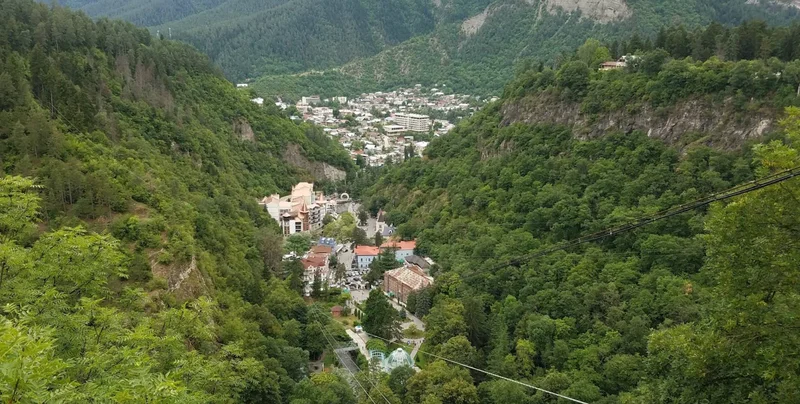
For a week-long itinerary, build arcs from city to events. November bundle: Tbilisi for evening programs and museums, Mtskheta for Georgoba and quiet streets, optionally Telavi and Sighnaghi for the late-golden vineyards. December bundle: city lights and New Year’s village, night concert along the embankment, next day warming in Abanotubani baths and a late lunch in Sololaki. January week: Alilo by day, intimate concert in the evening, then a gentle drive to Borjomi or Akhaltsikhe to catch snow on conifer slopes; good weather allows two days in Gudauri or Bakuriani. February week: pure skiing with one day in Tbilisi for gastronomic breaks and galleries. March week: a mix of daytime excursions and evening city life. In all cases, one principle applies: the car is delivered to the hotel early, routes are preloaded with parking marks and travel times, the trunk holds a checklist of seasonal items, and assist settings reduce unnecessary steering on switchbacks. When the vehicle suits you, the journey ceases to drain energy and begins to accumulate memories.

Festival Etiquette and Road Safety: Experiencing the Country Properly

During church festivals, follow a modest dress code, remove headgear inside churches, and disable flash photography. In Mtskheta and near cathedrals, arrive early and park in authorized zones. On New Year’s Eve, plan pedestrian movement and group meeting points after concerts; traveling with children requires checking stage layouts and sanitary facilities. In winter mountain driving, maintain distance, avoid wheel locking on descents, monitor weather and Jvari pass conditions, and keep warm layers, gloves, a power bank, scraper, and small flashlight in the trunk. At markets and villages, be generous with thanks—attention to local craftsmanship is valued, and conversations at stalls often provide the best regional guidance.

Choosing a Vehicle for Autumn-Winter Travel in Georgia

City trips and nearby excursions call for a sedan with a warm cabin, solid soundproofing, adaptive cruise control, and a 360° camera for underground parking. Mountain roads and winter conditions highlight a crossover’s strengths: ground clearance, all-wheel drive with intelligent torque distribution, Snow and Downhill Assist modes, and a trunk for equipment, roof boxes, and child seats. For large families or groups, seven-seat configurations with dual-zone climate and heated rear seats work best; for a couple valuing driving feel, an all-wheel-drive crossover with balanced suspension and refined wheel-arch insulation is ideal. We deliver the car to your hotel or airport at your chosen time, equip it with winter accessories, and preprogram the navigator with parking spots at Orbeliani, Rike, Freedom Square, and resort lifts—letting you focus on light windows rather than maneuvering in unfamiliar streets. Imagine a morning departure from Tbilisi at minus two degrees, the asphalt glistening in Avlabari, steering gently weighing more on the mountain arcs, and how effortlessly the car tuned for you carries you to the snow-covered plateau where the air rings and the horizon fades into icy blue.

Dates and Key Points to Note Before Your Trip

Georgoba is celebrated on November 23 and is an official public holiday. The Alilo Christmas procession in Tbilisi takes place on January 7, starting during the day and concluding at the Holy Trinity Cathedral (Sameba). Bedoba, the Day of Luck, is traditionally observed on January 2 as a symbolic “reset” for the year. Tbilisi’s New Year’s village typically opens at the end of December on Orbeliani Square and operates until mid-January; on New Year’s Eve, the main concert stage moves to Europe Square along the embankment. The Tbilisi International Film Festival kicks off at the start of winter, in 2025 running from December 4–10. Ski resorts open in December and remain operational until April, depending on snow coverage; in Gudauri, the standard period is mid- or late December through mid-April, while Bakuriani offers night skiing at Didveli on weekends.

Car Rental in Georgia Any Season

Whatever dates you choose—Tbilisi’s November lights, the quiet January ritual of Alilo, February snow on the passes, or March sunshine in the valleys—we’ll select a rental car to suit your rhythm and routes, making the road part of the celebration. Picture a morning when the city still slumbers, the warm cabin and smooth sedan glide onto an empty avenue; next, the crossover’s gentle pull on the long ascent to Gudauri, precise steering and ample clearance bringing peace of mind on the curves; by evening, an elegant arrival at Rustaveli Hall in a premium sedan, where quiet and light leather interiors matter. For family trips, we’ll prepare a seven-seat SUV with dual-zone climate and space for strollers and souvenirs; for rural roads, all-wheel drive with winter tires and downhill assist; upon request, child seats, ski mounts, and roof boxes; and a navigator preloaded with parking spots at Orbeliani, Rike, Freedom Square, and resort lifts. Delivery to the hotel or airport at your chosen time, transparent conditions, and prompt roadside support—everything ensures you focus on scenic windows, concerts, and services, not logistics. Name your dates and trip style, and we’ll offer several configurations with clear reasoning, making the choice a pleasure from the first turn of the wheel.

48 hours in Tbilisi: baths, bars, viewpoints, and convenient parking

Two days in Tbilisi mean walking the cobbled streets, enjoying the warm water of the sulfur baths, watching the evening light on the fortress, and chatting over wine in the cellars. The plan below keeps an urban pace without rush and provides a clear logic for parking and moving around.

Car for the itinerary

In the center, a compact car/sedan is most convenient: maneuverable and easy to park. The logic is: morning and daytime — walking routes in the Old Town; car — for easy transfers to the hotel/airport and trips to viewpoints on the outskirts. Contact us — we’ll help you rent a car quickly

Day 1. Old Town, baths, funicular, and sunsets

Morning: Rike → Cable Car → Narikala. Start with a stroll through Rike Park and take the cable car up to Narikala Fortress: from above, you can see the entire historic center and the ribbons of streets leading to Abanotubani. For the descent, walk along the viewpoints down to the sulfur baths.

Rike Park Cable Car (lower station)
https://www.google.com/maps/search/?api=1&query=Rike+Park+Cable+Car+Station 

Narikala Fortress (upper station)
https://www.google.com/maps/search/?api=1&query=Narikala+Fortress+Upper+Cable+Car+Station 

Abanotubani (Sulfur Baths district)
https://www.google.com/maps/search/?api=1&query=Abanotubani+Sulfur+Baths 

Chreli Abano (Blue Bath)
https://www.google.com/maps/search/?api=1&query=Chreli+Abano+Bath+Tbilisi 

Daytime: Abanotubani and baths. Choose a private room in one of the baths (Chreli Abano — “Blue Bath” with mosaics) and allow 1–1.5 hours for water and steam. Afterwards — a leisurely lunch by the river and a stroll through the courtyards and bridges.

Evening: Funicular to Mtatsminda. For sunset, take the funicular to the restaurant complex at the top. The terraces overlook the city, and the evening light is at its softest.

Tbilisi Funicular (lower station)
https://www.google.com/maps/search/?api=1&query=Tbilisi+Funicular+Lower+Station 

Funicular Restaurant Complex (Mtatsminda)
https://www.google.com/maps/search/?api=1&query=Funicular+Restaurant+Complex+Tbilisi 

Freedom Square Underground Parking
https://www.google.com/maps/search/?api=1&query=Freedom+Square+Underground+Parking+Tbilisi 

Parking and logistics: — Morning: leave the car in the underground parking at Rike/Europe Square and walk.
— Daytime: in the Old Town it’s easier to move around on foot.
— Evening: for the funicular lower station, arrive by taxi or your car (parking is limited), alternatively — leave the car in the underground parking at Freedom Square and walk.

Rike / Europe Square Underground Parking
https://www.google.com/maps/search/?api=1&query=Underground+Parking+Rike+Park+Tbilisi 

Day 2. Flea market, courtyards, bars, and views

Morning: Dry Bridge Market. Vintage items, books, graphics, enamel — in an hour or so you can collect souvenirs “with meaning.” Nearby — galleries and boutiques.

Dry Bridge Market
https://www.google.com/maps/search/?api=1&query=Dry+Bridge+Market+Tbilisi 

Daytime: Fabrika courtyard and cafés. Inside — graffiti, workshops, a courtyard with cafés and bars. A good pause between walks.

Fabrika Tbilisi
https://www.google.com/maps/search/?api=1&query=Fabrika+Tbilisi 

Evening: wine bars and underground cellars. For tasting natural wines, choose the cellar near Freedom Square (Vino Underground) or one of the 8000 Vintages bars in the center. End the day with dinner in the Sololaki/Vera area: quiet streets and long conversations.

Vino Underground
https://www.google.com/maps/search/?api=1&query=Vino+Underground+Tbilisi 

8000 Vintages (Tabukashvili 27) https://www.google.com/maps/search/?api=1&query=8000+Vintages+Tabukashvili+27+Tbilisi 

Optional viewpoint on the outskirts: if you have energy, make a short trip to the Chronicle of Georgia above Tbilisi Sea: monumental columns and panorama over the water.

Chronicle of Georgia
https://www.google.com/maps/search/?api=1&query=Chronicle+of+Georgia+Monument 

Parking and logistics: — Morning: it’s convenient to leave the car in the underground parking at Freedom Square and walk to Dry Bridge.
— Daytime: at Fabrika — street parking around the perimeter (check signs).
— Evening: for tastings — better on foot or by taxi; leave the car overnight in the hotel parking.

Tips

Quick reference map (points)

Rike Park (lower cable car station) · Narikala Fortress (upper station) · Abanotubani and Chreli Abano · Funicular lower station and restaurant complex on Mtatsminda · Freedom Square (underground parking) · Dry Bridge Market · Fabrika · Vino Underground · 8000 Vintages (Tabukashvili) · Chronicle of Georgia.

Final touch

Tbilisi reveals itself at a pace of “steps and conversations.” The car adds freedom for trips outside and convenience for hotel transfers. Provide your dates — we’ll select a compact/sedan for your rhythm and reserve an underground parking near your base.

Borjomi — Akhaltsikhe — Vardzia: Two-Day Loop with Overnight Stay

This route captures three distinct atmospheres of southern Georgia: the pine-scented air of Borjomi, the fortress walls of Akhaltsikhe, and the rock-cut galleries of Vardzia above the Kura River. Over two days, you can follow the itinerary at a relaxed pace, see the key sights, and stop comfortably for an overnight stay.

How to go

The route conveniently starts from Tbilisi via the S1/S8 highway: head toward Borjomi, then Akhaltsikhe, and follow the Kura Valley toward Vardzia. The main loop features smooth asphalt; access roads to monasteries and viewpoints are narrower and steeper. Therefore, a crossover is the ideal vehicle for this itinerary: clearance, visibility, and comfort on long ascents and descents.

Day 1. Tbilisi → Borjomi → Akhaltsikhe

Morning in Borjomi. Visit the Central Park: stroll along the river, enjoy the mineral springs, and take the cable car to the viewpoint. In the city, the “park at the entrance — explore on foot” approach works well. If time allows, make a short detour to the Mtsvane (Green) Monastery in Chitakhevi — a quiet spot among the pines with a scenic drive.

Borjomi Central Park
https://www.google.com/maps/search/?api=1&query=Borjomi+Central+Park 

Borjomi Cable Car
https://www.google.com/maps/search/?api=1&query=Borjomi+Cable+Car 

Mtsvane (Green) Monastery, Chitakhevi
https://www.google.com/maps/search/?api=1&query=Green+Monastery+Chitakhevi 

Afternoon — Akhaltsikhe. Continue toward Akhaltsikhe. In the center is the Rabati Castle complex: walls, towers, museum, and courtyards with panoramic views. Visiting during daylight is recommended. On the outskirts, along the serpentine road, lies Sapara Monastery: ancient churches, city views, and peaceful quiet. Return to the city in the evening: dinner and overnight in Akhaltsikhe make an early start to Vardzia convenient.

Rabati Castle, Akhaltsikhe
https://www.google.com/maps/search/?api=1&query=Rabati+Castle+Akhaltsikhe 

Sapara Monastery
https://www.google.com/maps/search/?api=1&query=Sapara+Monastery 

Distances and timing. Tbilisi → Borjomi ~2–3 hours including a coffee stop; Borjomi → Akhaltsikhe ~1 hour. Within daylight hours, there is sufficient time for the park, cable car, Rabati, and a visit to Sapara.

Day 2. Akhaltsikhe → Vardzia → Khertvisi → Tbilisi

Morning in Vardzia. From Akhaltsikhe to the cave city takes about 1.5 hours through the Kura Valley. The complex unfolds in layers: galleries, monastic cells, a church with frescoes, rock passages, and viewpoints above the river. Tickets are sold at the entrance, and a local transfer along the upper road to the starting platform conveniently saves energy on the ascent.

Vardzia Cave Monastery
https://www.google.com/maps/search/?api=1&query=Vardzia+Cave+Monastery 

On the way — Khertvisi. The return route includes a stop at Khertvisi Fortress on a promontory above the confluence of rivers. The stone citadel and the wide river bend create a striking view; 20–30 minutes for photography and overview is sufficient.

Khertvisi Fortress
https://www.google.com/maps/search/?api=1&query=Khertvisi+Fortress 

Optional — Vanis Kvabebi. For additional rock formations, visit Vanis Kvabebi — an intimate monastic complex near Vardzia with a short access road.

Vanis Kvabebi
https://www.google.com/maps/search/?api=1&query=Vanis+Kvabebi 

Return. Continue toward Akhaltsikhe and merge onto the highway to Tbilisi. You can return by evening with daylight, arriving in the capital in time for dinner.

Practical notes

  1. Fuel: convenient gas stations are available along the way to Borjomi, in Akhaltsikhe, and before Vardzia. Plan a reserve before entering the valley.
  2. Parking: at Borjomi Park — at the entrance; at Rabati — surrounding lots; at Sapara — short serpentine to the upper area; at Vardzia — lower ticket office and transfer start.
  3. Clothing and footwear: for Vardzia and Sapara, bring a windproof layer and sneakers with solid soles.
  4. Season: late spring through autumn offers stable daylight; the off-season is scenic but cooler at altitude.

Where to stay

Akhaltsikhe is a convenient base: near Rabati for evening walks, or away from the center for a quieter setting with some park space. Check parking availability, early breakfast, and proximity to the road toward Vardzia.

Car for the route

RANGE ROVER VOGUE 5.0 PETROL (SUPERCHARGED) — optimal for clearance and comfort: access to monasteries, descents to viewpoints, and long serpentine stretches through the valley. Child seats, luggage solutions, and delivery to the hotel/airport at the chosen time can be arranged on request.

Final touch

This “loop” maintains a good rhythm: Borjomi forest, Rabati stone, Vardzia rock, and the Kura River. A crossover sets the pace and allows the freedom to stop wherever you want to linger. Provide your dates — we will prepare a vehicle for your itinerary and deliver it where your journey begins.

The Georgian Military Highway in 2 Days: A Guide with Scenic Views and Stops

This route is one of the most beautiful mountain drives in the Caucasus. Over two days, you can see: the Jinvali Reservoir and Ananuri, switchbacks through Gudauri and the Jvari Pass, the viewpoint at the Friendship Monument, sunrise at Gergeti Trinity Church, a short trek to Gveleti Waterfalls, and a relaxed finale at the Darial Monastery.

How to drive and the best timing

From Tbilisi, head toward Mtskheta and then take the E117 (S3) highway toward Kazbegi/Stepantsminda. The direct drive from Tbilisi to Stepantsminda takes about 3–3.5 hours without stops; with pleasant breaks, it makes for a full and scenic day. The Jvari Pass is the highest point of the route (around 2,380–2,400 m), so snow and temporary restrictions are possible in winter; otherwise, it is a comfortable mountain road with long ascents and descents. Maintain a calm pace on overtaking sections, as trucks often travel tightly together near the border.

Car for the route. A crossover or SUV provides extra clearance and confidence on the switchbacks; a C/D-class sedan works in dry conditions with careful driving. For families or groups, 7-seater versions are convenient.

Day 1: Tbilisi → Ananuri → Gudauri → Stepantsminda

Leave early in the morning to catch soft light on the water and navigate the switchbacks without rush.

Jinvali Reservoir and Ananuri. The first photo stop is the viewpoints above the turquoise water. After 10–15 minutes — Ananuri Fortress: walls, towers, carved gates, and views over the distant waters. Allocate about an hour for sightseeing and photography. Transfers are short, asphalt is smooth, and parking is available near the fortress and viewpoints.

Zhinvali Reservoir Viewpoint
https://www.google.com/maps/search/?api=1&query=Zhinvali+Reservoir+Viewpoint 

Ananuri Fortress Complex
https://www.google.com/maps/search/?api=1&query=Ananuri+Fortress+Complex 

Where to have lunch. On the way to Gudauri, roadside cafés offer sizzling khachapuri and lobio; if you prefer a view, continue toward the Friendship Monument — there you can find street food and tea with scenic surroundings.

Russia–Georgia Friendship Monument (Gudauri)
https://www.google.com/maps/search/?api=1&query=Russia–Georgia+Friendship+Monument+Gudauri 

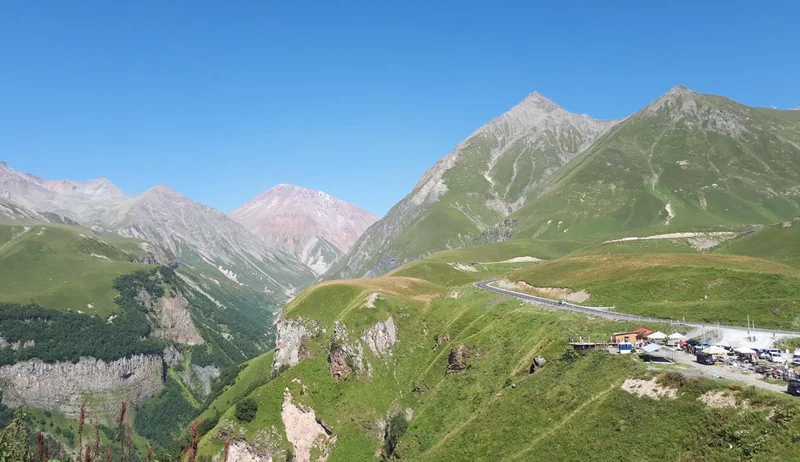
Friendship Monument and Jvari Pass. After a series of switchbacks, you reach the Gudauri plateau and, a few kilometers on, the viewpoint at the monument: a circular gallery on the cliff with panoramic views of the gorges. Higher up lies Jvari Pass, with wind and a sweeping line of peaks. Between them, mineral “ore” deposits resemble frozen orange waterfalls — a beautiful short stop among the travertines.

Jvari (Cross) Pass
https://www.google.com/maps/search/?api=1&query=Jvari+Pass+Georgia 

Travertine Mineral Springs (near Jvari Pass)
https://www.google.com/maps/search/?api=1&query=Jvari+Pass+Travertine+Almasiani 

Stepantsminda (Kazbegi). By evening, you arrive in the valley at the foot of Mount Kazbek. Check in and save your energy for the morning ascent to the church. Dinner consists of simple Georgian dishes at family-run cafés in the town center.

Stepantsminda (Kazbegi) center
https://www.google.com/maps/search/?api=1&query=Stepantsminda+Kazbegi+Georgia 

Distance and duration. In total, about 150 km of driving, with 6–8 hours of active time including stops.

Day 2. Gergeti Trinity → Gveleti → Darial Gorge → Tbilisi

Early start to visit the Gergeti Trinity Church. You can either hike the trail from the town center (1.5–2.5 hours one way, depending on pace) or take a local taxi up the steep asphalt road to the summit. At sunrise, the church hovers against the backdrop of Mount Kazbek, while the valley remains quiet. Allocate at least 2–3 hours for the round trip to avoid rushing.

Gergeti Trinity Church (Tsminda Sameba)
https://www.google.com/maps/search/?api=1&query=Gergeti+Trinity+Church 

To Gveleti Waterfalls. From the town center, a short drive toward the border, then continue on foot along a marked trail. The path runs through a gentle ravine with minimal elevation gain, making it comfortable even in warm weather. Plan 1.5–2 hours for the walk with stops for photos.

Gveleti Waterfall trailhead/parking
https://www.google.com/maps/search/?api=1&query=Gveleti+Waterfall+parking 

Darial Gorge and the Monastery. Another 10 km up the valley brings you to the monastery complex, perched on the cliffs above the Terek River. The atmosphere is calm, the views are stark and focused — a perfect finale before heading back.

Dariali Monastery Complex
https://www.google.com/maps/search/?api=1&query=Dariali+Monastery 

Return to Tbilisi. The drive back is familiar, but the light changes — you can stop by the Friendship Monument and admire the gorges in warm tones. Allow extra time for dinner along the way and you’ll be back by evening.

Distance and day duration. In total, around 170–190 km, including the early morning ascent, the trail to the Gveleti waterfalls, and the detour to Darial Gorge.

Practical tips and details.

  1. Fuel is available up to Gudauri and in Stepantsminda; above the pass, options are limited — plan your refueling in advance.
  2. Parking: at Ananuri and the monument — informal spots; at the church on the summit — organized area; during peak season, reaching the top is easier using a local taxi.
  3. Weather at the pass changes rapidly: take a windbreaker even in summer; off-season conditions include rain and fog.
  4. For the trails (Gergeti on foot, Gveleti), sneakers or trekking shoes are recommended.

Where to stay

From simple guesthouses in central Stepantsminda to chateaux or lofts with views of Kazbek. Consider parking availability and the option for an early breakfast.

Recommended vehicle class and why.

MERCEDES-BENZ GLS 450 4MATIC – confident handling on hairpin bends, ground clearance for descents to viewpoints and trails, trunk space for luggage and child seats.
PORSCHE CAYENNE – Comfort on highways, fuel efficiency, ease of parking in the city; in dry conditions — a logical choice for a couple.

Delivery and return: we’ll bring the car to your hotel in Tbilisi by your chosen early start time; for return — we’ll receive it in the city center or near the airport.

Navigation map (key points)

  • Jinvali Reservoir (viewpoints)
  • Ananuri Fortress
  • Friendship Monument at Gudauri
  • Jvari Pass
  • Mineral travertines near the pass
  • Stepantsminda (Kazbegi)
  • Gergeti Trinity Church
  • Gveleti Waterfalls (trailhead)
  • Darial Monastery

Final touch

The Georgian Military Road is a journey where the road itself is the goal: the waters of Jinvali, the stone of Ananuri, the wind at the pass, and the morning light at Gergeti. The car sets the pace and gives the freedom to stop wherever you wish. Provide your dates — we’ll select a vehicle suited to your tempo and group.

Kakheti: 7 Cafés and Wine Houses with a View of the Alazani Valley

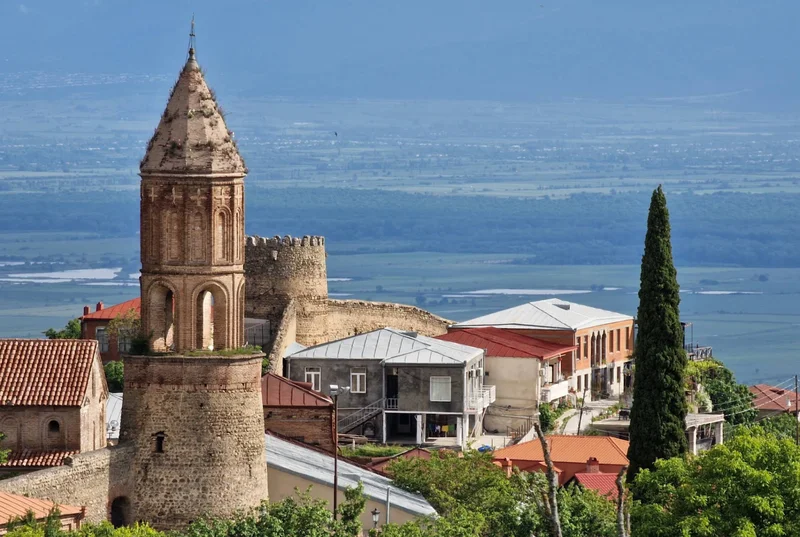
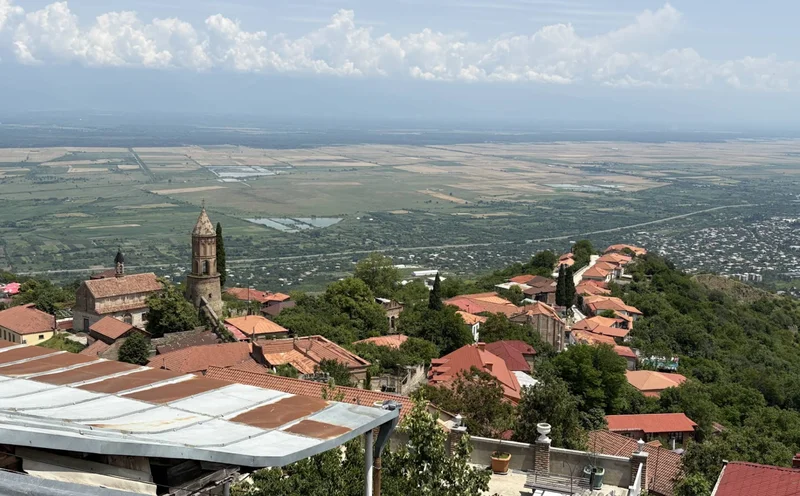
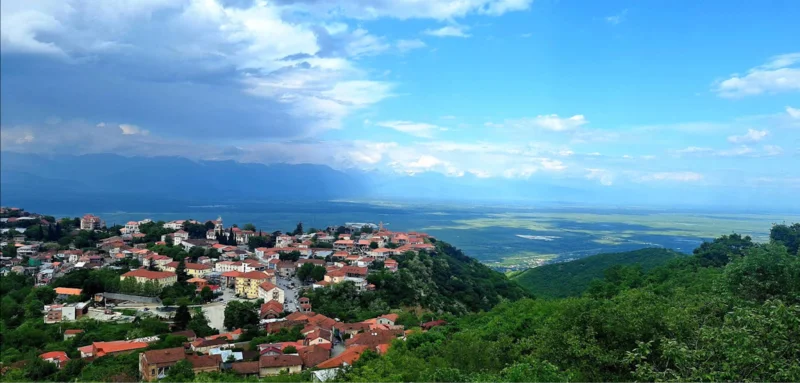
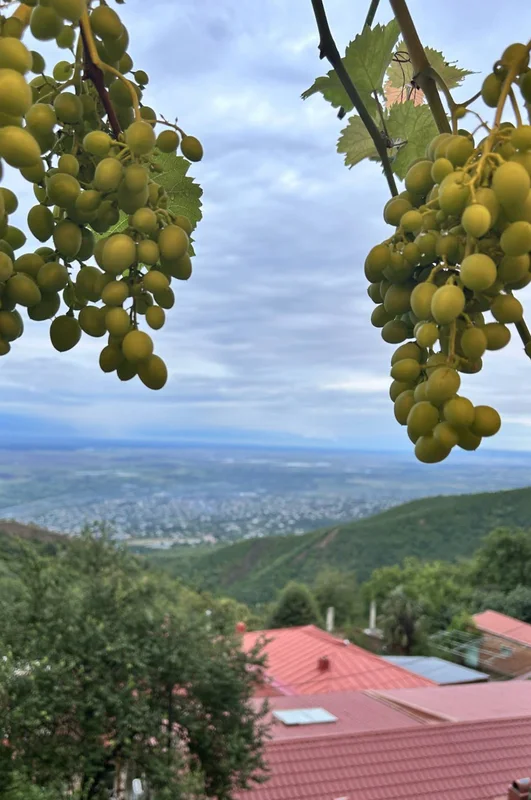
The key here is not to rush. The Alazani Valley reveals itself in layers: morning mists in Sighnaghi, a warm midday in the parks of Tsinandali, golden sunsets near Telavi. This route highlights seven spots where food and wine pair perfectly with the view—so much so that your hand naturally reaches for the camera. The approach is simple: “drive, stop at beautiful places,” without stress or long transfers.

How to plan your day

From Tbilisi, it makes sense to explore in two arcs. The first is Sighnaghi and the ridge above the valley: morning mists, long eastward vistas, walks along the fortress walls. The second is Tsinandali—Telavi—Kisiskhevi: parks, estate complexes, terraces where the evening light falls directly on the hills. In one day, you can comfortably visit 2–3 stops with enough time for lunch and a stroll; over two days, all seven locations can be enjoyed without hurry. Reserve terrace tables in advance, especially during harvest weeks.

Car for This Route

The roads are in good condition, and the driveways to the châteaux are short and straightforward. The LEXUS RX350 is comfortable on highways and city parking, while the MERCEDES-BENZ GL 350 CDI BLUETEC provides extra ground clearance for rural roads and gravel access to vineyards, especially during rainy months. A child seat and trunk space for a couple of wine boxes can easily be arranged when booking.

1) Okro’s Wine Restaurant, Sighnaghi

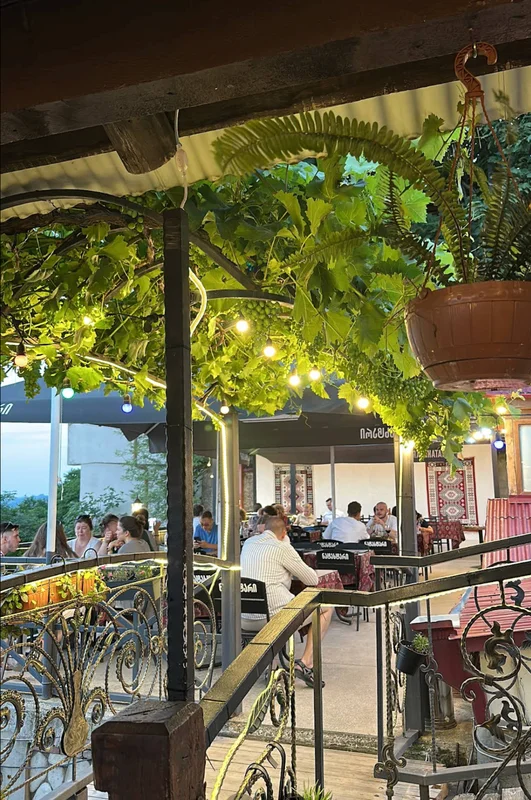
The terrace overlooking the entire valley is the best reason to visit at sunset. In your glass—natural wines; on your plate—simple dishes that enhance the view. Outdoor seating is intimate, and a reservation helps. Parking is convenient around the Old Town: leave your car by the fortress wall and walk a few minutes uphill—you’ll be there in no time.

Best time to visit: late afternoon for soft light and long shadows.

Okro’s Wine Restaurant, Sighnaghi
https://www.google.com/maps/search/?api=1&query=Okro%27s+Wine+Restaurant+Sighnaghi 

2) The Terrace Signagi, Sighnaghi

If you want a direct, panoramic view of the Alazani Valley—this is the place. A bright dining room opens onto a terrace, the menu features straightforward Georgian dishes, and the quiet lets you hear the mountain breeze. Perfect for lunch after a walk along the fortress walls. Parking is available along the streets near the terrace, with calm traffic.

Best time to visit: lunch or early dinner; during hot days, it’s nice to catch the breeze at this elevation.

The Terrace Signagi
https://www.google.com/maps/search/?api=1&query=The+Terrace+Signagi 

3) Terrace Kisi, Sighnaghi

A small terrace with a full-width horizon, focusing on homestyle dishes and wines. A great spot for a relaxed break between the fortress and the viewpoints. Parking is similar to the previous locations, in street pockets around the Old Town.

Best time to visit: late lunch, to rest before heading toward Telavi.

Terrace Kisi, Sighnaghi
https://www.google.com/maps/search/?api=1&query=Terrace+Kisi+Sighnaghi 

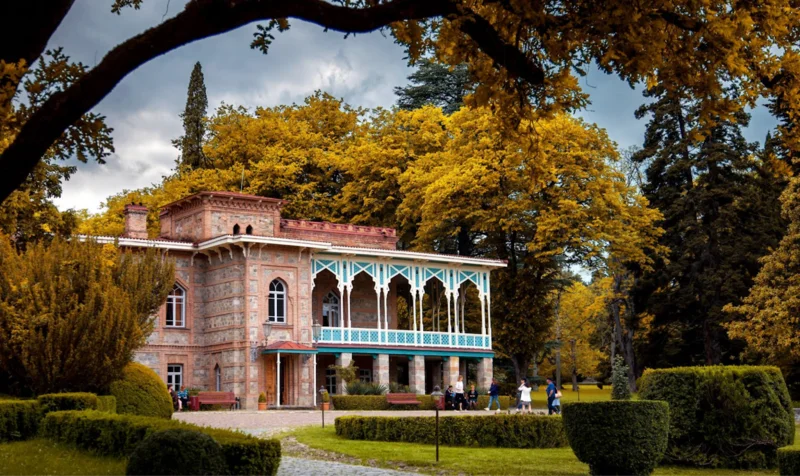
4) Tsinandali Estate (Prince Alexander), Tsinandali

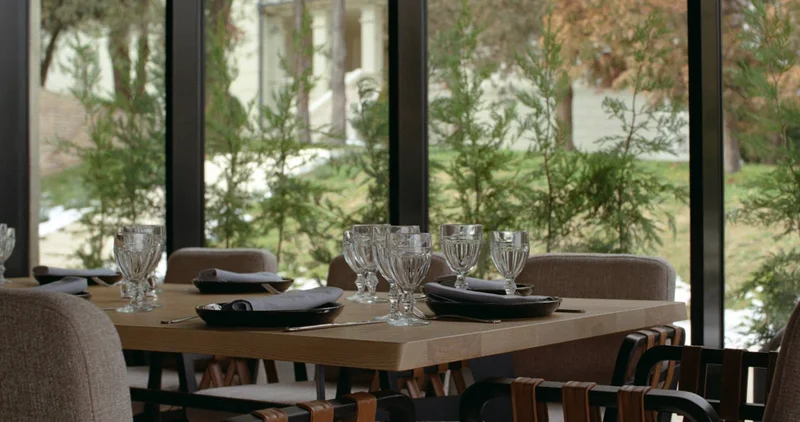
A historic estate with a park and a modern restaurant, where through the glass you can see trees, rooftops, and the distant lines of the valley. It’s a place where you want to linger: stroll along the alleys, explore the wine spaces, and have lunch by the window. There is ample parking on the grounds, and access is straightforward.

Best time to visit: midday; lunch is especially enjoyable after a walk in the park. Tsinandali Estate (Radisson Collection)
https://www.google.com/maps/search/?api=1&query=Tsinandali+Estate+Radisson+Collection+Hotel

5) Shumi Winery, Tsinandali

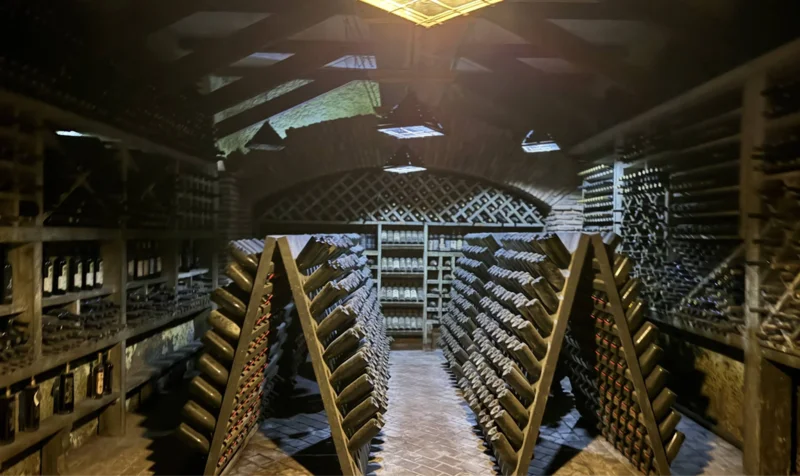
A large wine complex with a museum, gardens, and terraces. It’s convenient to combine a tasting, a short tour, and a late lunch here. The view opens up from several vantage points, and the calm pace of the place sets the tone for a “long” day. Parking is available on-site, with the space logically organized.

Best time to visit: during the day or early afternoon; pairs well with a visit to the Tsinandali Estate.

Shumi Winery, Tsinandali
https://www.google.com/maps/search/?api=1&query=Shumi+Winery+Tsinandali 

6) Schuchmann Wines Chateau, Kisikhevi (near Telavi)

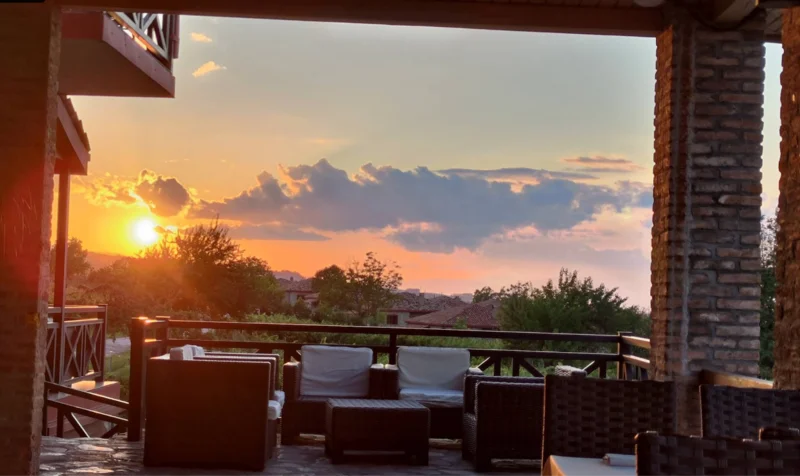
The restaurant terrace faces the ridge and vineyards — perfect for an evening visit. They serve wine from their own selection, and the cuisine is straightforward and honest. Parking is available on-site, access roads are smooth, and navigating the area is simple.

Best time to visit: the golden hour before sunset; an excellent way to end the day.

Schuchmann Wines Chateau, Kisiskhevi
https://www.google.com/maps/search/?api=1&query=Schuchmann+Wines+Chateau+Kisiskhevi 

7) Vazisubani Estate, Vazisubani

A restaurant with glass walls offering panoramic views — it feels like you’re sitting inside the landscape. The morning light is especially soft, making breakfasts and early lunches particularly enjoyable. Parking is available at the entrance, with easy asphalt access.

Best time to visit: morning/early day; a perfect start for the second day of the route.

Vazisubani Estate, Kakheti
https://www.google.com/maps/search/?api=1&query=Vazisubani+Estate+Kakheti 

How to summarize the route

In the “short” version: a day in Sighnaghi (Okro’s → The Terrace → Terrace Kisi), then a drive to Tsinandali for the park and a late lunch, finishing with dinner in Telavi. In the “long” version: add an overnight stay at one of the wine estates and a morning stop in Vazisubani. The complete itinerary covers 180–220 km over two days, at a relaxed pace and with plenty of time for photographs.

Useful details

  1. The grape harvest season (Rtveli) falls between late August and November; during these weeks, venues are popular, so book in advance.
  2. On mountain roads, maintain a calm pace, especially after wine tastings: plan for a sober driver.
  3. If traveling with children, check the availability of child seats and the kitchen opening hours during the off-season.

For this route, travelers usually choose

LEXUS RX350 — Agility in city driving and ease on highways.
MERCEDES-BENZ GL 350 CDI BLUETEC — Extra ground clearance for rural access roads and gravel after rain.
We can deliver the car to your hotel or airport at the requested time. Provide your dates and group details — we’ll select the optimal vehicle and include child seats if needed.

Final touch

Kakheti is all about the “view in your glass.” With a well-planned route, the road naturally leads you to terrace tables, and the car becomes part of the experience: arriving at the right moment, stopping at the perfect spot, providing quiet between tastings and encounters. Book your car for the travel dates — everything else falls into place.

Special Offer Range Rover for Long-Term Rentals