













General Attitude Toward Foreigners
Georgia is known for its legendary hospitality. In our company, we have a favorite proverb: “A guest is God’s messenger.” And these are not just words — many foreigners feel exactly that from their very first days in the country. In most cases, local residents treat visitors warmly and cordially. A stranger here may easily be offered homemade dishes, treated to homemade wine, and asked how they happened to come to these parts. We sometimes joke: in Georgia, the only thing that can truly be intimidating is that you may simply be overwhelmed with affection! In other words, what surprises foreign guests most is how sincerely Georgians strive to surround them with care and attention.
At the same time, the degree of hospitality may depend on the situation. In small towns and villages, any foreigner is welcomed as an honored guest — invited to the table, shown the surroundings, and helped in any way possible. In larger cities like Tbilisi, people are already accustomed to tourists; here the attitude is more neutral-friendly: no one will rush to hug you in the street, but if you ask for help, they will almost always respond. An openly polite smile is not the most typical manner for Georgians (especially among the older generation), yet if you need something, locals will genuinely try to help in practice, rather than with mere formal courtesy. Overall, Georgian culture instills respect for a guest from childhood, so even children in villages will wave at you and shout “hello!” with a foreign accent.
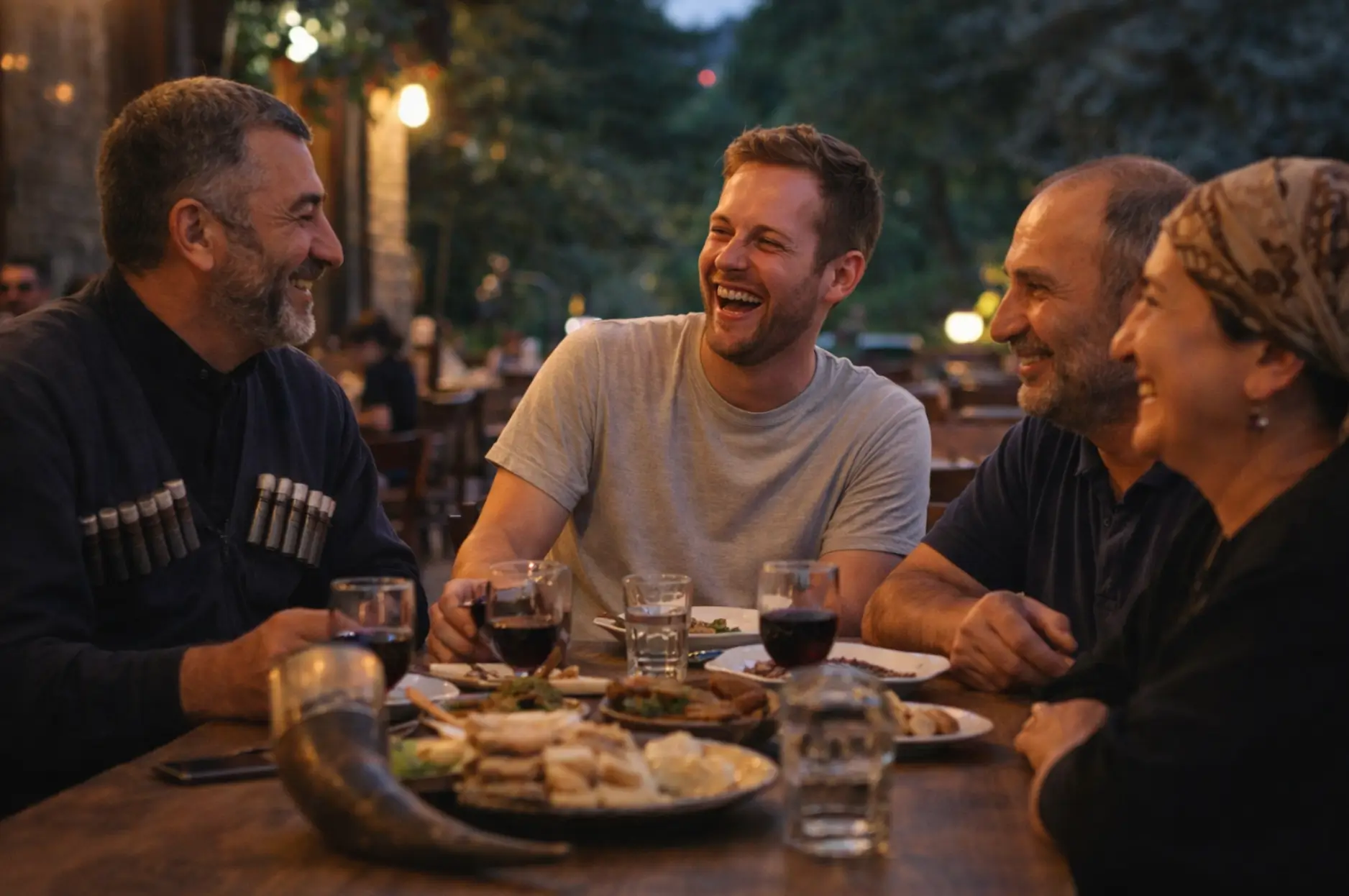
It is important to understand that Georgian hospitality is not a formality, but a way of life. If you are invited into someone’s home, be prepared to be offered the very best: generous food, the best seat at the table, endless toasts to your health. It is not customary to refuse too insistently (this may offend the host); it is better to thank them and try a little of everything. Georgians derive genuine pleasure when their guest eagerly eats khachapuri, listens with interest to stories about local traditions, and simply enjoys being in their country. In such moments, you will feel almost like a member of the family.
Of course, there are always exceptions. You may encounter a gloomy taxi driver or an unsmiling shop assistant — as in any country. However, our experience shows that it is enough to begin a conversation with a smile or a few words in Georgian, and the “ice” melts immediately: your interlocutor transforms and becomes more open. Courtesy and goodwill on the part of a foreigner are almost always returned with double warmth on the part of a Georgian.
Perception of Foreigners Depending on Country of Origin
The Georgian mentality is tolerant, and in general, visitors are welcomed here regardless of their origin. However, there are certain nuances in the perception of guests from different countries:
Tourists from Russia. Attitudes toward Russians are somewhat mixed, yet in everyday life remain friendly. Historically, many Georgians spoke and still speak Russian, so there is usually no language barrier with the older generation. In Tbilisi and other cities, you will encounter signs in Russian, and many locals easily switch to Russian when speaking with foreigners. Nevertheless, in recent years the flow of Russian visitors has increased significantly, which has caused some tension. This is generally related not to personal hostility, but to the political situation and the emotions connected with it. We advise our Russian guests to maintain a respectful tone: avoid political disputes and refrain from speaking dismissively about the Georgian language and culture. If you behave tactfully, ordinary Georgians will treat you like any other tourists — with curiosity and friendliness. Many sincerely distinguish between “people and politics,” and therefore continue to invite Russians to the table, offer wine, and help if needed. It is also worth noting that young people in large cities more often speak English and may prefer not to communicate in Russian — do not take this personally; it is better to switch to English if possible.
Guests from Europe and the USA. Europeans, Americans, and travelers from other distant countries evoke lively interest and even a certain enthusiasm among Georgians. Georgia is open to the world, and many locals are genuinely pleased when foreigners from afar choose their country as a travel destination. Our guides have noticed that young people often approach English-speaking tourists — to practice English or simply to ask how you are enjoying your stay. The older generation, even without knowing the language, may express sympathy through gestures or offer something as a treat. Americans and Europeans are often perceived as representatives of the “West,” about which much is discussed here. Therefore, the attitude is generally very positive: hosts try to show guests the very best their country has to offer. You may hear words of gratitude for support (especially from those who remember the cooperation with Europe and the USA in the 1990s and 2000s). There are virtually no negative stereotypes about Western tourists among ordinary Georgians — on the contrary, you are likely to be welcomed and efforts will be made to leave you with a good impression of Georgia. The only possible barrier is linguistic: not all representatives of the older generation speak English, but they will still attempt to find a way to understand and assist. There have been cases when a grandmother at the market, not understanding the language, simply smiled and filled a tourist’s bag with fruit as a gift — just in case, so that the guest would not leave empty-handed.
Travelers from other countries. Georgia welcomes guests from all over the world, including neighboring countries as well as Asian and Middle Eastern nations. The traditional hospitality generally prevails in their treatment as well. For example, tourists from neighboring Caucasus countries (Armenia, Azerbaijan, Turkey) are seen as neighbors — there is no particular curiosity, but friendliness remains. Locals in Batumi have long been accustomed to working with Turks and Iranians (these tourists often come to the seaside), so the service there is established and the attitude is professionally polite. If you are from Asia, Africa, or Latin America, you may receive slightly more curious glances in remote areas — simply due to the rarity of guests from these regions. There is nothing objectionable about this; on the contrary, the curiosity often turns into heartfelt interaction: locals may ask about your distant country, show you something of their own. Georgians, in general, are not prone to prejudice based on nationality, so skin color or eye shape does not affect how you are received — the main criterion is how you behave as a guest. If you act respectfully and with interest, you will be welcomed regardless of your origin.
Regional Features: Where and How Guests Are Welcomed
Georgia is a diverse country, and the character of welcoming foreigners may vary slightly from region to region. Here are our team’s observations about different corners of the country:
Tbilisi
The capital of Georgia is a cosmopolitan city where tradition and modernity blend. In Tbilisi, foreigners have already become a familiar part of the landscape: many expats, students, and IT specialists live here, and international companies operate. Therefore, on the street you are unlikely to feel excessive attention — locals are busy with their own affairs. However, this does not mean cold treatment. In Tbilisi, it is very easy to ask a passerby for help or advice — most likely, they will respond and, if possible, assist. Young people almost always speak at least a little English, older people may immediately switch to basic English (“Hello, how are you?”) when seeing a European, or to Russian if noticing a Slavic appearance. The attitude in the capital can be described as neutral-friendly: there is no village-like intrusiveness, but rudeness toward guests is not tolerated. If you enter a café or store, you will be politely served; if you ask, they may engage in light conversation, but in general, everyone is busy with their own affairs. However, once you befriend a local, the “turbo mode” of Georgian hospitality kicks in: you will be shown around the city, taken to popular spots, and even invited home for dinner. Tbilisi residents love to show guests how wonderful their country and capital are.
It is worth noting that Tbilisi is a tourist city, with many services tailored for foreigners. Hotel and restaurant staff speak English (often also Russian), tourist police patrol the streets and are ready to assist. Therefore, foreigners feel comfortable and safe here. But, as in any metropolis, there is occasional fatigue from tourists during peak season: for example, a local driver might get irritated by inexperienced foreign drivers in the city center, or a market vendor may grumble if you haggle too long. Do not take this personally: these are rare cases, and overall, Tbilisi’s reputation as a hospitable capital is valued.
Batumi
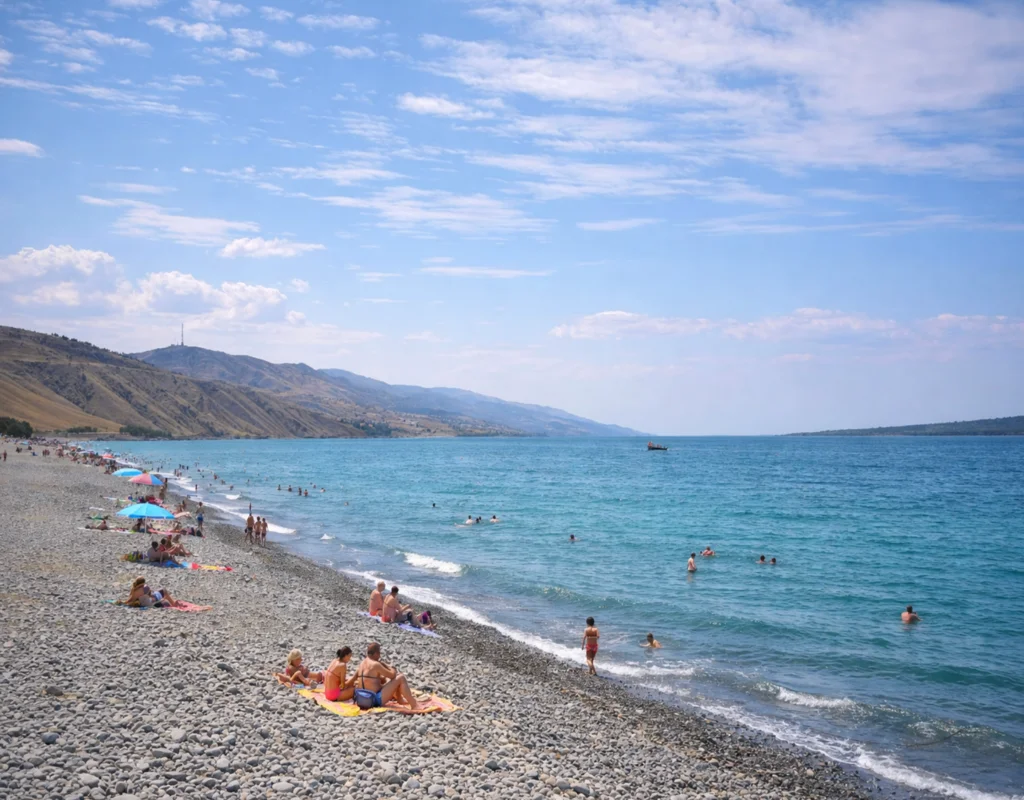
Batumi is Georgia’s seaside capital, a resort city on the Black Sea coast. In summer, there is an influx of tourists from all over the world, especially from post-Soviet countries, Turkey, Israel, and Arab nations. Locals in Adjara have historically been very hospitable, but in Batumi itself, the attitude is more resort-like: tourists are seen as temporary guests who need comfort. Most Batumi residents work in tourism, so you can expect a professionally friendly attitude: the warmth is often part of their duty, yet still sincere. You will be greeted with a smile at the reception, helped with excursions, and given directions — all in the habits of a resort city.
An interesting point: Adjara is a region with Muslim roots (many Adjarians are Muslims by faith), so they are familiar with the culture of guests from Turkey and Arab countries. If you are from these regions, you will feel completely at ease in Batumi — many locals know a few phrases in Turkish, or even some Arabic, and show respect for Muslim customs (for example, no one will look askance at a hijab; it is normal here). Europeans, Russians, and Ukrainians are also abundant — regardless of which group you belong to, you will be just one of many vacationers. As a result, Batumi residents may be slightly less curious about your personality than people in other cities: after all, hundreds of new tourists arrive the next day. But if you venture beyond the tourist center — for example, to suburban villages in Adjara — you will immediately feel the true familial warmth. In the mountains above Batumi, people live more traditionally and treat every guest as a relative. Thus, Batumi has two faces: one is a modern resort with European-style service, the other is an Adjara village with unique charm and heartfelt hospitality.
Kutaisi
Kutaisi is the country’s second-largest city, but in atmosphere it is more like a large provincial center. Foreigners visit here as well (especially since there is a nearby international airport serving low-cost flights), but there is no mass tourism like in Tbilisi or Batumi. Therefore, the attitude toward visitors is more curious and directly friendly. Kutaisi residents are known in Georgia for their sense of humor and sociability — do not be surprised if someone stops you on the street with a playful question or a comment about the weather. Upon learning you are from another country, people may ask more details: whether you like the city, what you have already seen, or if you need help. All of this comes from genuine hospitality, without any hidden motive.
It is worth keeping in mind that outside tourist sites (such as Gelati Monastery or Prometheus Cave), English is not widely spoken. Russian is understood by the older generation, but not always by the young. Nevertheless, the language barrier does not hinder Kutaisi residents: they easily switch to gestures, may take you by the elbow and personally guide you to the right turn, loudly calling to others: “Our guests need help here!”. In Kutaisi, you feel real familial warmth, especially if you stay longer than just a couple of hours for a tour. Many of our clients recall how they were offered to taste everything at the market for free, simply because they were foreigners, or how a taxi driver arranged an impromptu city tour upon learning the guests were visiting for the first time. In this city, a somewhat patriarchal lifestyle combines with the open character of locals — strangers are both welcomed and slightly looked after to ensure nothing happens.
Svaneti
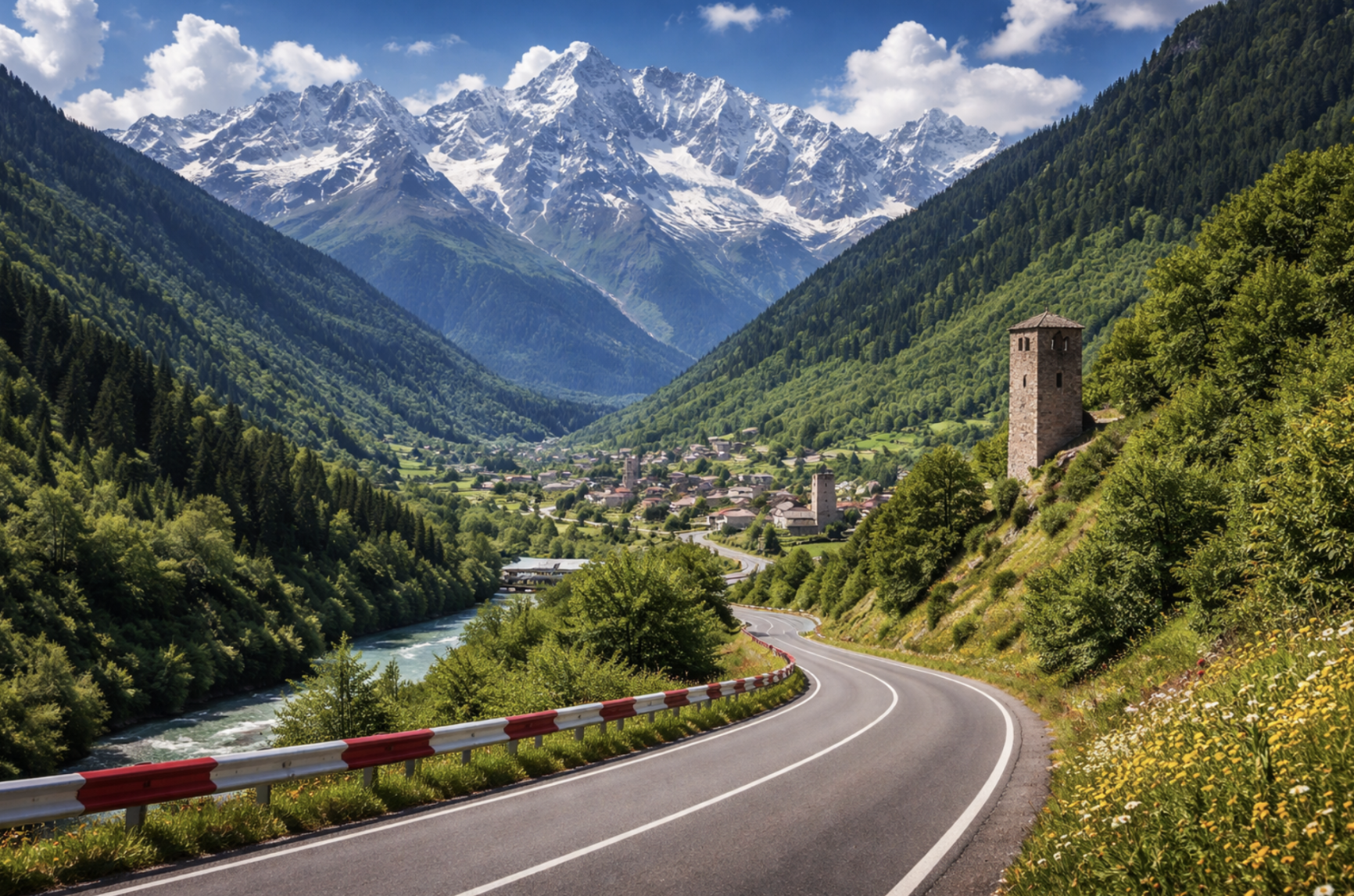
Svaneti is a high-mountain region in northwestern Georgia, famous for its towers and daring mountaineers. The Svans are often described as a proud and independent people, which reflects in their attitude toward guests. In Svan villages (Mestia, Ushguli, etc.), visitors are treated with respect but without fuss. They will not excessively fawn over you or push services — highlanders value dignity, both their own and the guest’s. If you behave respectfully and show interest in local culture, the Svans open up and become extremely warm hosts. They will gladly tell legends about their towers, show family icons, and may even play the harmonica or perform a traditional song — but only if they feel your interest is sincere.
There is a nuance: the Svan language and culture are different from the rest of Georgia, and Svans speak their own language among themselves. However, almost everyone knows Georgian, and many also speak Russian (especially older men, many of whom served in the Soviet army). English is less common, but in tourist areas of Mestia, the youth are gradually improving their skills. Even if you don’t know the local languages, you will still be understood through smiles, gestures, and, of course, a shared glass of homemade chacha. The attitude here is somewhat more reserved than in the rest of Georgia, but any promise or favor given by a Svan is as solid as a rock. If someone says, “come tomorrow, we’ll help with the car,” you can be sure they will. Svaneti is also famous for historically protecting guests as their own — outsiders found refuge here, and the host was responsible for their safety. So you can feel under a sort of “mountain protection.” At the same time, it is important to follow local customs: for example, show respect to elders, avoid provocative behavior, especially toward women — Svans will not tolerate it, and the reaction can be sharp. But for a normal, courteous tourist, there is nothing to worry about: you will be welcomed in Svaneti and surrounded by traditional mountain hospitality (with plenty of meat, toasts, and strong drinks).
Racha
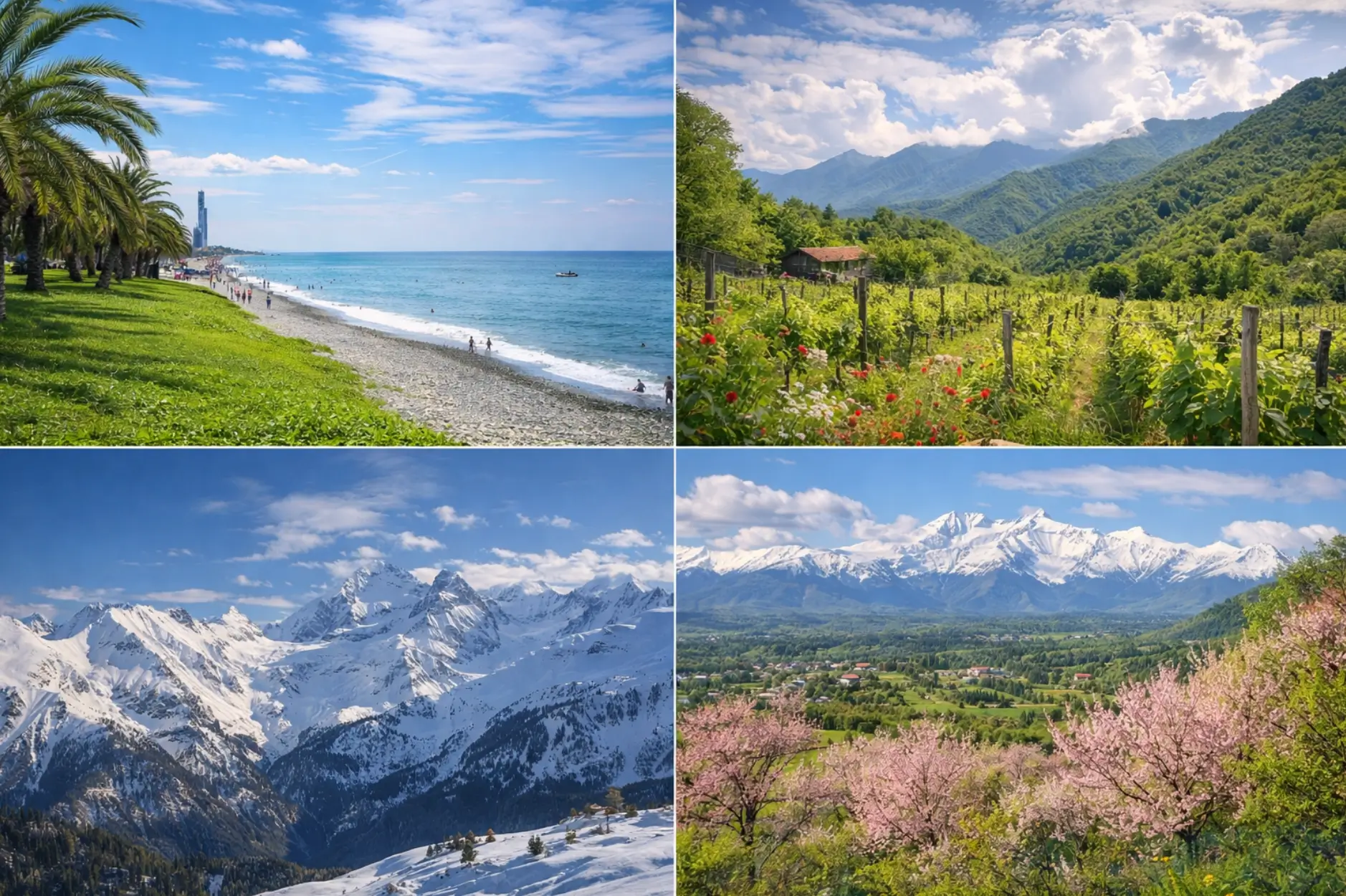
Racha is a picturesque mountainous region north of Kutaisi, famous for Khvanchkara wine and its unhurried pace of life. It is one of the most good-natured regions of Georgia. Rachians are known even among Georgians as particularly gentle, fond of jokes and gatherings. Foreigners in Racha are still rare (the region is not heavily touristy), so every visitor is valued highly. Locals may be initially a bit shy — it’s not every day you see a guest from afar — but this passes quickly. Within minutes of conversation, you may hear an invitation: “Come in, we’ll treat you to some wine!” Our team has experienced cases where an elderly man in a village near Oni, learning that a tourist from Poland had arrived, sent his grandson to bring grapes and bread from home to welcome the guest right on the street. In Racha, almost everyone speaks Russian (older generation), the youth learn English, but most importantly — everyone speaks the language of hospitality. You will be shown the most beautiful views, reminded of famous local delicacies (Rachian beans with walnuts, smoked pork – shamomi, etc.). In short, in Racha, you will feel like a cherished relative visiting family after many years — that is the prevailing attitude. People rarely rush here, so locals are ready to spend hours conversing with a foreigner. If you enjoy heartfelt talks over a glass of homemade wine, Racha will be an unforgettable experience.
Mtskheta
Mtskheta is the ancient capital of Georgia, a small museum town near Tbilisi. Thanks to its proximity to the capital and its status as a holy place (home to the Svetitskhoveli Cathedral), Mtskheta is filled daily with foreign tour groups. Locals are accustomed to seeing crowds of tourists, so the attitude is dual. On one hand — very respectful and reverent on the territory of churches and holy sites: for example, church staff or townspeople may politely remind you if, unknowingly, you violate a local custom (such as entering a church in inappropriate attire). They do this courteously, valuing foreigners who show interest in Georgian culture. On the other hand — in the market stalls and cafés, the attitude toward guests is more as toward customers: you will be politely invited to buy souvenirs, but prices may be slightly higher as for a tourist. Restaurant service is standard for tourists: fast, clear, with a smile — there is competition, and everyone wants to leave a good impression.
If you stay in Mtskheta for more than an hour — say, a couple of days — you will have a chance to experience the deeper hospitality of this town. Many families have lived on the same street for generations. Once you make a personal connection, you will likely be invited to a family dinner. Mtskhetans take pride in sharing the ancient history of their town and may even walk you to the nearby Jvari Monastery, showing paths their ancestors used. So even within the tourist center of Mtskheta, the living heart of a small town beats, where a stranger is welcomed as one of their own if they show genuine interest.
Rural Georgia
By rural Georgia, we mean small settlements and villages outside the well-known resorts and capitals. This is where traditional hospitality truly shines. Villagers often live modestly, but every guest is an event. Be prepared for curious glances: not out of hostility, but to figure out who you are and where you come from. Often, children will run up saying “Hello! Hello!” to practice their school English. Adults may then join in — greeting you, asking if you are lost. If you stop by the roadside to look at a map, almost certainly a local will come out to see if you need help. From there, events can unfold unpredictably: you may be invited into a yard to rest in the shade, offered cold water, and then perhaps a snack or meal. We have many cases where tourists planning to stay an hour in a village were kept all day — shown the surroundings, offered lunch, even invited to spend the night. All this is completely voluntary, from the heart.
Of course, in very remote villages, almost no one speaks English, and Russian is not always common either. But this is not a problem: the language of hospitality is universal. If you arrive in a jeep, local men will examine the car with interest, start a conversation through gestures, give a thumbs-up — indicating it’s a nice car. Grandmothers may pepper you with questions in Georgian (where are you going, where are you from), not really expecting answers — the main thing is interaction. In the village, a guest is a window to the world, and locals are proud if a foreigner appreciates their hospitality. Often, on departure, you will be handed a bag of fruits, homemade cheese, or a jar of jam — it is customary for the guest to leave with something in hand. Do not refuse; accept with gratitude, and in return, you can give something symbolic from your own supplies (we sometimes carry tea or small souvenirs from Russia/Europe — it helps reciprocate the kindness).
In summary: in any region of Georgia, the basic attitude toward foreigners is friendly. The difference is only in degree: in some places, it may be just a smile and courteous service, while in others, they will hug you and invite you to the table. Now let’s move on to how this manifests in everyday situations.
Everyday Interactions: Communication, Service, Roads, and More
While traveling through Georgia, you will constantly interact with locals — on the street, in transport, in shops, and public offices. Here is what to expect in different spheres of life:
Communication and Language. Do not worry if you don’t know Georgian — people will still try to understand you. Most Georgians are friendly toward foreigners, even if communication has to happen with gestures. In cities, many understand English, especially the youth. Russian is spoken by almost everyone over 40, and the younger generation selectively. Occasionally, other languages are in use: for example, in tourist areas you may see signs in Turkish or German. But the main tip: learn a few words in Georgian. Even a simple “gamardjoba” (hello) or “madloba” (thank you) works wonders — it immediately creates goodwill with your interlocutor. Georgians love it when foreigners try to speak their language, even with mistakes. Compliments on your pronunciation and even a fun mini-lesson in Georgian may follow right on the street. When communicating, try to maintain eye contact and speak warmly — emotional, open conversations are common, even with strangers. You may find locals touching your hand or shoulder during conversation — it’s normal and expresses goodwill. If something is unclear, do not hesitate to ask again or request a translator — there will almost certainly be someone willing to help you communicate.
Service sector. In tourist areas (hotels, restaurants, excursions), service is becoming increasingly professional and closer to international standards every year. You will be greeted, smiled at, and asked where you are from — purely out of politeness and curiosity. However, remember that the Georgian style of communication may differ from European norms. In a small family-run guesthouse, the hostess may seem overly talkative: asking about your family, impressions, giving advice without waiting for questions. This is not imposing services but genuine care — people feel responsible for their guests. At the same time, in some Soviet-style institutions (train station ticket offices, company offices), staff may be more formal and even stern. Do not rush to interpret this as rudeness. For example, a ticket clerk may speak sharply — that’s just their style — but they will still sell you a ticket and likely explain patiently which platform the train departs from using gestures and simple language. Many cities have modern Houses of Justice and tourist info centers — service is excellent, and everything for foreigners is provided (electronic queues, consultants often speaking English). Overall, if you need something, ask freely; Georgians will try to help a client or guest even beyond their duties. For instance, a waiter may call a friend to find an answer to a rare question, or a shopkeeper may run outside to guide you to a place if verbal explanation is difficult. This personal approach is part of the local culture.
On the roads (driving). Traffic in Georgia can shock many foreigners at first. Tbilisi is known for intense traffic: cars speed chaotically, honk at each other, and rules seem nonexistent. However, there is a system: local drivers are very experienced and maneuver skillfully in conditions that seem chaotic to outsiders. Attitude toward foreign drivers and pedestrians is generally tolerant. If you drive a car with foreign plates or are obviously a tourist, locals may even be indulgent: they will overtake, honk, but without aggression. Key advice — stay calm and don’t try to “teach” locals European traffic rules. Be extremely attentive yourself: locals may make sudden maneuvers (overtaking on solid lines, turning without signaling) — keep distance. Good news: outside the city, traffic is calmer, and on rural roads, drivers often greet each other, even strangers. As a pedestrian, be cautious: not all respect crosswalks, and cars may not stop unless you clearly start crossing. Better to follow locals or use traffic lights. Foreign pedestrians are treated kindly: if you hesitate at an intersection, someone may wave you through. If lost in a car, stop and ask — passersby or other drivers will gladly help, sometimes even offer to guide you if going the same way.
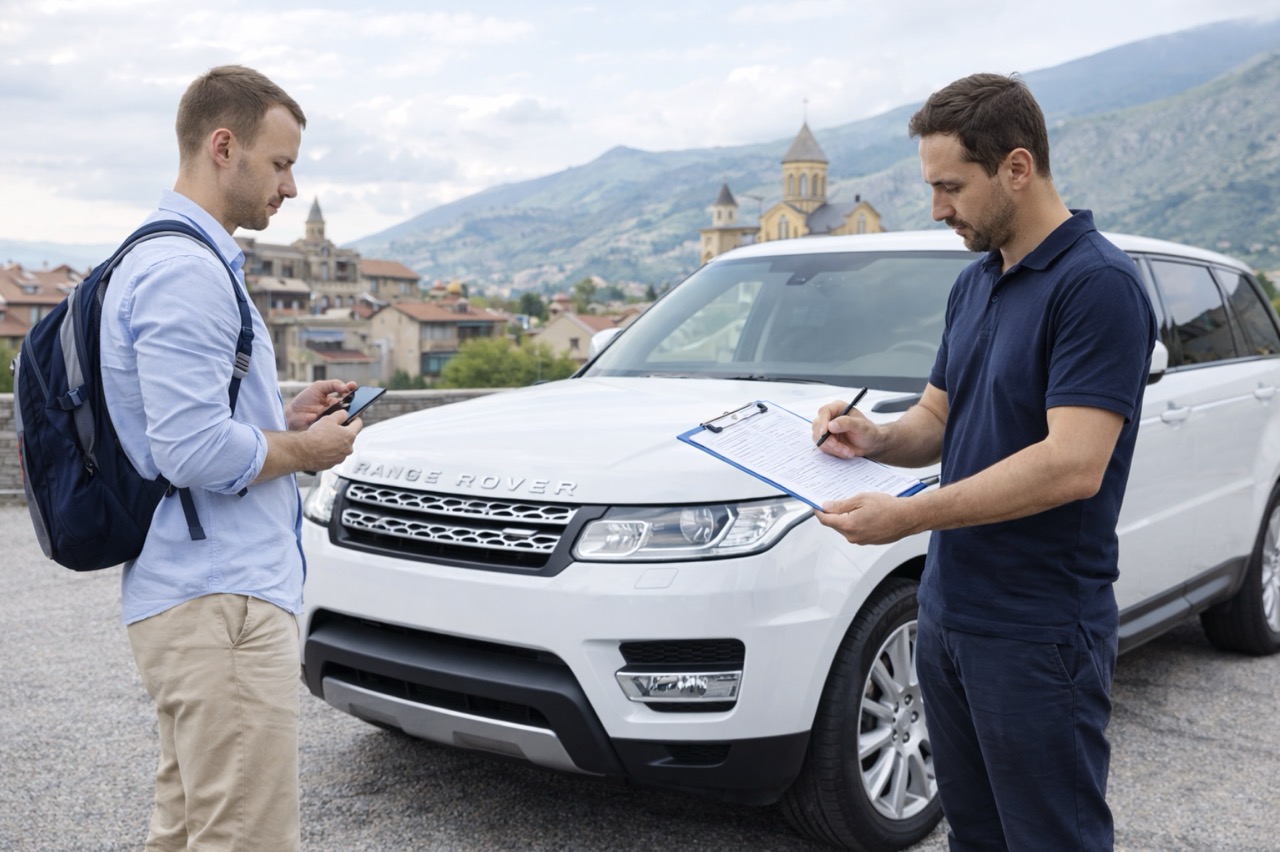
Car rental and transport. Many guests rent cars to travel around the country. Local rental agencies are used to foreign clients: contracts can be in English, everything explained, and route advice given. Georgians generally love when a guest explores their country independently, so rental staff often provide a list of their favorite places to visit. From our company’s experience: we always inform clients about local driving peculiarities (see above) and advise being extra careful for the first couple of hours. Otherwise, car rental is trouble-free — gas station attendants will approach and help you refuel, even without a common language (they may simply point to the right pump and fuel type). Parking attendants often guide how to park, sometimes requesting a symbolic fee. Understand this as part of the local color — people earn extra income this way. In more remote areas, if you get a flat tire or get stuck, do not worry — almost certainly, a local driver will stop to help seeing a foreigner in need. In Georgia, strangers are not abandoned on the road, and a guest even less so.
Government services, police. Tourists rarely interact closely with government agencies, but it can happen — lost passport, medical help, dealing with police. In these situations, Georgian officials generally behave very courteously toward foreigners. Police in Georgia have been reformed and often speak English well (at least in cities, there will be an English-speaking officer). If you violate traffic rules (for example, speeding) and are stopped, you will most likely receive just a warning, as have many of our clients. Officers often show understanding toward tourists: they may ask if you are enjoying Georgia while checking documents. Our experience shows that polite behavior and a few words in the local language make even a stern-looking officer lenient — minor offenses usually end with verbal advice. Hospitals and clinics also try to assist foreigners without delays — sometimes even out of turn in urgent cases. Government agencies (for example, immigration services if you extend your stay) provide information in English, and the overall attitude is respectful: Georgians take pride in receiving guests and strive on an official level to maintain the image of a safe and comfortable travel destination.
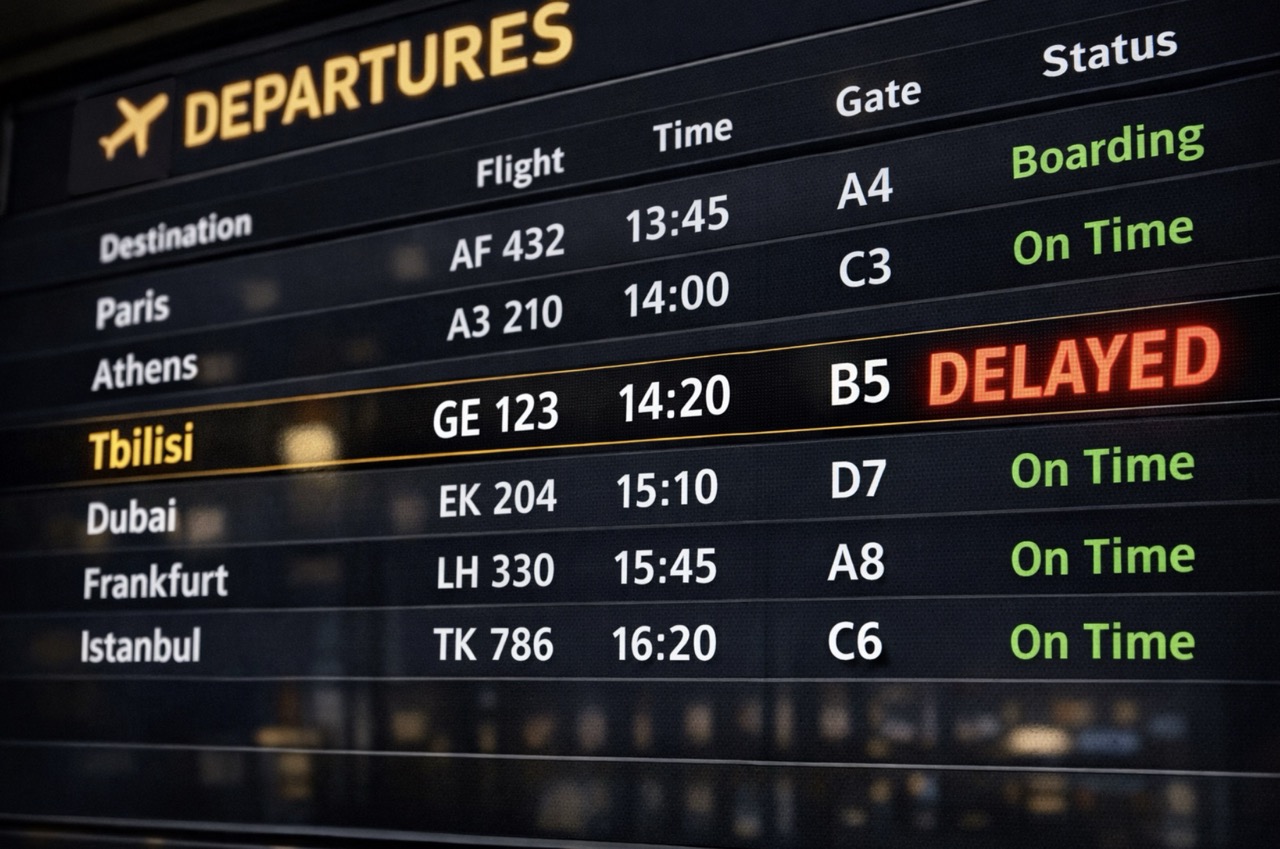
Crossing the Border. The first contact with Georgia happens at the border – and here many foreigners immediately notice the difference. Georgian border guards often greet visitors with a smile and the words “Welcome to Georgia!” Passport control usually goes quickly (for most countries, including European countries, the USA, and Russia, entry is visa-free for a year, so there are hardly any extra questions). Of course, border guards have their duties, and if something is unusual, they may ask in detail about the purpose of your visit. But the tone usually remains friendly. For example, at Tbilisi airport, it is not uncommon for a border control officer, seeing that a guest is visiting the country for the first time, to chat for a couple of minutes – ask where you are from, and wish you a pleasant stay. At land borders (Lars from the Russian side, Sarpi from the Turkish side), there are sometimes long queues, and Georgian officers may already be tired – but even in these conditions, we have never heard of rudeness. On the contrary, travelers note that after the stern faces of Russian or Turkish border guards, a smile and “Gamarjoba!” from a Georgian officer feels like a balm. Baggage inspection upon entry is minimal if you are not carrying anything prohibited – formalities go quickly. There have even been hospitality gestures, when on holidays foreigners at the control points were given small bottles of wine or churchkhela – a small thing, but pleasant and very Georgian. In general, crossing the border into Georgia is psychologically comfortable: you are truly welcomed.
What Wins Local Favor and What Causes Displeasure
What Georgians particularly appreciate in the behavior of foreign guests:
- Sincere interest in the country. If you ask about Georgian traditions, music, or history, locals share with enthusiasm. Seeing your interest, they feel pride in their culture and treat you as a true friend.
- Attempts to speak Georgian or propose toasts. Even a few words or phrases (for example, saying “madloba” – thank you, or making a toast “gaumarjos!” – in celebration) elicit a flood of positive emotions. Georgians love it when a guest reaches out to their language and customs and are immediately ready to help and praise.
- Respect for elders and traditions. Polite behavior – greeting an elderly neighbor, giving up a seat to a grandmother – is noticed. It is also appreciated when foreigners follow local rules, such as entering a church modestly dressed, women covering their heads in church. Such gestures show that you respect their way of life, and many people will open their hearts to you.
- Good appetite and participation in feasts. It may sound funny, but in Georgia, they love when a guest eats and drinks with pleasure. If you praise the hostess’s dish or ask for seconds – you immediately become a favored guest! Participating in toasts, trying to sing folk songs together with locals – all this evokes genuine warmth.
- Modesty and gratitude. Georgians do not expect gifts or compliments from tourists, but a simple “thank you” or a compliment to the country works wonders. When a guest says, “Your country is incredibly beautiful, and your people are so kind” – locals remember this for a long time and may even pass it on to others, saying, “Look what a wonderful guest visited us.” Such gestures strengthen warm feelings not only personally toward you but also toward “your people” in general (for example, they might say: “Germans are good, see what a wonderful guy visited”).
What may displease (or even offend) local residents:
- Disregard for the culture. If a guest loudly claims that everything is “better back home” or mocks local customs, this will certainly provoke a negative reaction. Georgians are very proud and sensitive to criticism of their country, even if they sometimes complain about certain issues themselves. Especially avoid disrespectful jokes about Georgian national things – language, music, dance, cuisine, or faith. For example, speaking unfavorably about Georgian wine or khinkali can offend a host.
- Rude or arrogant behavior. Any display of impoliteness – rudeness to service staff, shouting, pointing fingers, demanding tone – is perceived very badly. They do not like “stars” or people who look down on others. Even if a problem arises, it is better to solve it calmly and with a smile – then they will accommodate you. A rude person may be refused service or sharply answered – and others will support the response.
- Violation of etiquette at the table and in company. Georgian dining etiquette implies respect for the tamada (toastmaster) and other guests. If a foreigner interrupts a toast, gets distracted by a phone during speeches, or, for example, starts drinking without a toast – locals may see this as disrespect. Also, jokes about mothers or any rude humor toward family are strongly disliked. In Georgian culture, a mother is sacred, and what may seem like a harmless joke in some countries (e.g., “jokes about someone else’s mother”) can seriously offend here. It is better to avoid such topics.
- Excessive haste, refusal of invitations. Georgians do not understand when a guest is constantly in a hurry and refuses to “sit for even a minute.” If you are invited for tea and respond firmly: “No, I don’t have time!” – hosts may think you dislike their company. Refusing outright is not customary – it is better to give a respectful reason or at least accept hospitality for a few minutes (symbolically trying a treat). And the worst behavior is to leave a home without tasting anything: hosts perceive this as a personal failure.
- Showing disrespect for religion. In very religious communities (many of which exist, especially in the regions), it is unacceptable, for example, to enter a church in shorts, speak loudly, or take photos during the service without permission. If a guest does not follow etiquette in a sacred place, locals become very upset and may make a remark. This is not aggression but genuine disappointment. It is also undesirable to blatantly disregard when everyone crosses themselves or says a prayer before meals – you are not required to do the same, but waiting respectfully and not laughing is the minimum.
Essentially, the secret is simple: behave with Georgians the way you would like a guest to behave in your own home – with respect, interest, and kindness. Then locals will treat you as a good friend.
Stories from Our Experience
Over the years of working in Georgia, our company has accumulated many stories about how interactions between foreigners and locals unfolded.
A couple of years ago, two of our clients from Israel drove a rental car to the mountainous region of Tusheti. They miscalculated – a snowstorm began, and their car got stuck at the Abano Pass (a very remote location). There was no connection, only mountains around… After some time, local residents approached them in an old UAZ – as it turned out, they had received a radio message from the lower post that foreigners might be stuck, and they went out specifically to look for them. They put the guests into their car, drove them to a village, warmed them up, and fed them hot soup. The car was freed from the snow only the next day through combined efforts. Moreover, the Tushetians did not take a single penny for the help and even apologized for the bad weather, saying, “We could not provide you with sunny Caucasus.” The Israelis were simply amazed: “In another country, rescuers might have found us only after a day at best, but here ordinary people abandoned their affairs for us.” This case perfectly illustrates that the safety and comfort of a guest is a matter of honor for Georgians.
There are many such stories, and almost every one ends with foreigners leaving impressed by the warmth of the local people. Of course, there are also funny incidents, and sometimes cultural differences make themselves felt – but in the vast majority of cases, goodwill and mutual respect work wonders, turning chance encounters into heartfelt memories.
Practical Tips for Foreigners: How to Behave to Be Accepted as One of Their Own
- Learn a few words in Georgian. Phrases like “gamardjoba” (hello), “didakh shendag” (nice to meet you), or “madloba” (thank you) make people very receptive. Even if you do not pronounce them perfectly, your effort will be met with a smile and praise. This immediately breaks the ice.
- Smile and be open in communication. Sometimes people may look at you curiously on the street – do not turn away sullenly. A friendly smile, eye contact, a light wave – and you will have their hearts opened to you. If you need something, approach politely and ask – a request made with a smile is rarely refused here.
- Accept invitations if you are invited into a home or to a table. Naturally, the first feeling is shyness: you are strangers. But if locals invite you, it means they truly want to host you and converse. Do not be afraid – such spontaneous visits usually go wonderfully. You are not obliged to stay long – an hour or two is enough, citing your onward journey. But that hour will give you an incredible experience, and hosts will be delighted. If you really cannot go, refuse as gratefully as possible, explain the reason, and perhaps promise to visit another time if you return to the area.
- Dress and behave respectfully in sacred and traditional places. In churches, wear modest clothing (women – a headscarf, men – long trousers). Do not speak loudly or take photos of people without permission. In homes, if you see hosts remove their shoes, follow their example (in Georgia, not all homes require shoes off, but if the host does it, you certainly should). Following local etiquette shows that you respect their way of life, and this is highly valued.
- Avoid sensitive topics in conversation. Politics, religion, national conflicts – are not the best topics for a first conversation with Georgians. Many have gone through difficult times, and everyone has their own views. Better to discuss nature, food, family – these are safe and rewarding topics. If locals themselves bring up a complex topic, listen carefully, but express yourself cautiously and tactfully.
- Be ready to eat and drink a lot, but know your limits. Georgians may pour wine for you again and again. Feel free to say when you’ve had enough, but do it delicately. For example, praise the wine, make a toast to the hosts, but add with a smile: “I’m already drunk, I cannot drink more, sorry.” Usually they will stop and offer coffee. The same applies to food – try a little of everything, compliment it, but don’t hesitate to say that it’s very delicious but you are full. Hosts will understand; the main thing is to show that you appreciate their efforts.
- Share your own stories or souvenirs as well. Georgians are curious about your country. Show photos of your family, city, tell a couple of traditions of your people. Cultural exchange strengthens friendship. If you have small souvenirs or even chocolate from home, give them to children or hosts as a token of gratitude. They will be thrilled that a foreigner brought a piece of their culture.
- Ask locals for advice. Where to eat, what to see, how best to get around – Georgians love giving advice and feeling useful. This way, you not only get valuable information but also establish a connection. Sometimes a simple question at the market, “Where do you make the best shashlik?” can turn into being personally guided to that very shashlik place and shown half the city along the way.
- Stay calm in any situation. If something goes wrong – you get lost, the car breaks down, conflict in a queue – try not to panic or argue. In Georgia, excessive emotionality is sometimes met with caution. Better to seek someone’s help: there will always be someone who can assist. A raised tone or irritation may provoke a sharp response – people here are hot-tempered. Yet a kind word and a smile can “resolve” even the most difficult moments.
- And most importantly – enjoy the interaction. Georgia is a country where human connections are valued above formalities. If you are open, you will gain new friends, many vivid impressions, and feel confident, as if at home. Do not be afraid to step out of the tourist comfort zone: visit a rural yard, talk to a market seller, go for a visit with an acquaintance taxi driver. It is in such moments that true friendship between peoples is born and one understands why Georgians are so famous for their attitude toward foreigners.
In conclusion, on behalf of our team, we want to say: welcome to Georgia! Here you will be greeted as a valued guest, and when you leave, they will look forward to seeing you again. Remember that a little respect from your side will be repaid with tenfold hospitality, which you will recall warmly many times afterward. Wishing you successful travels and wonderful acquaintances in sunny Georgia!